AI-Generated Music Copyright: What’s Protected?
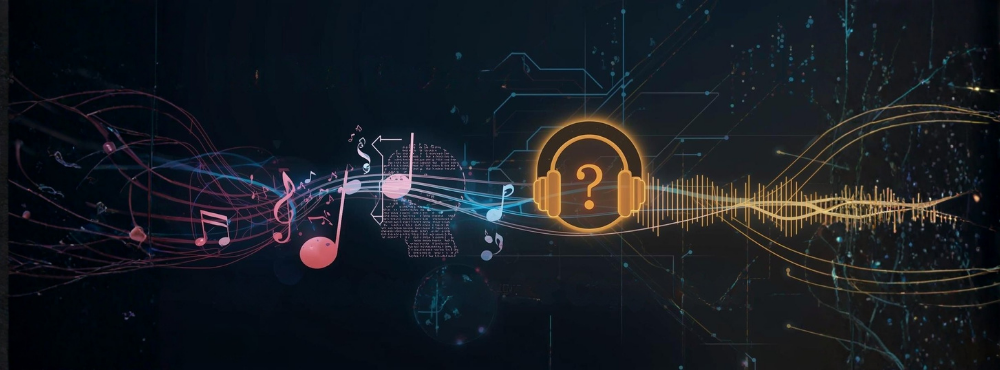
AI technology now makes it possible for anyone to instantly generate music tracks in any style—but does AI-generated music qualify for copyright protection? This is a crucial issue facing artists, songwriters, and platforms worldwide. The answer, unfortunately, is not straightforward: in major jurisdictions like the US and India, copyright protection for AI music is largely unavailable unless significant human creativity is involved, as defined by existing copyright law.
The Human Authorship Requirement in AI Music Copyright Law
Current copyright law centers on human authorship. The US Copyright Office (USCO) and similar regulators globally—especially US and Indian copyright offices—require that original works be products of human creativity. Recent US court rulings and USCO AI guidelines reaffirm that AI-generated music without substantial human involvement does not qualify for copyright, citing the impossibility of applying author-centric terms to non-human creators.
Copyright for AI-Assisted Music: Where’s the Line?
Things get more nuanced with AI-assisted music copyright. USCO and global bodies recognize that artists may use AI as a tool—writing lyrics, arranging, or editing AI-generated music in creative ways. In these scenarios, copyright coverage extends only to the human-authored elements. AI music copyright law draws a sharp line: the more an artist’s original input shapes the final track, the likelier it is to qualify for protection, while purely AI-generated work often enters the public domain.
Risks, Infringement & Best Practices for AI Music Creators
- AI music public domain: Fully AI-generated tracks may default into the public domain, meaning others can freely use, remix or commercialize your music.
- Terms of Service AI music: Always read the platform’s terms of use; free AI tools might retain rights or monetize your output.
- Copyright infringement AI music: AI models trained on copyrighted music can create substantial similarity, resulting in potential infringement claims for users.
Best Practices in AI-Generated Music Copyright
- Document Human Authorship: When seeking copyright for AI-assisted works, be transparent about AI use and provide evidence of your creative involvement.
- Significant Human Input: Focus on original lyrics, arrangements, or editing—not just raw AI tracks.
- Monitor Legal Landscape: Follow updates on US Copyright Office AI guidelines and India’s copyright law for emerging reforms.
- Rights and Licenses: Check licensing terms of any AI music platform to avoid ownership surprises.
Staying Ahead: AI Music Copyright Law in a Changing Legal Landscape
The legal landscape for AI-generated music copyright is rapidly evolving, but human creativity is still the essential criterion for copyright protection worldwide. As courts and legislatures weigh changes, creators must closely follow developments in copyright law, human authorship requirements, and best practices for AI-assisted works.
Don’t leave your creative or business assets exposed in this new era. Contact Abou Naja Intellectual Property for leading copyright expertise on AI music, international registration, and future-proof protection: [email protected].