cosmetic trademark class
Trademark

Cosmetic Trademark Class: Complete Guide to Protecting Your Beauty Brand

نُشر في Jan 01, 1970
آخر تحديث Oct 31, 2026
8 دقيقة قراءة

Selecting the right cosmetic trademark class represents a vital legal milestone for any growing beauty venture. Trademark registrations confer statutory exclusivity only for the precise goods and services claimed in your filing. Registering under the wrong heading leaves a dangerous void that direct rivals can leverage to sell look-alike goods under an identical name.

Whether you lead an indie skincare label, a colour cosmetics startup, a private-label enterprise, or a professional salon launching an in-house collection, classification errors generate costly disputes. T

his practical guide covers the primary trademark class for cosmetics, highlights essential companion categories, clarifies the line separating cosmetic and medicated formulas, and explains how Abou Naja IP builds lasting protection for modern beauty brands.

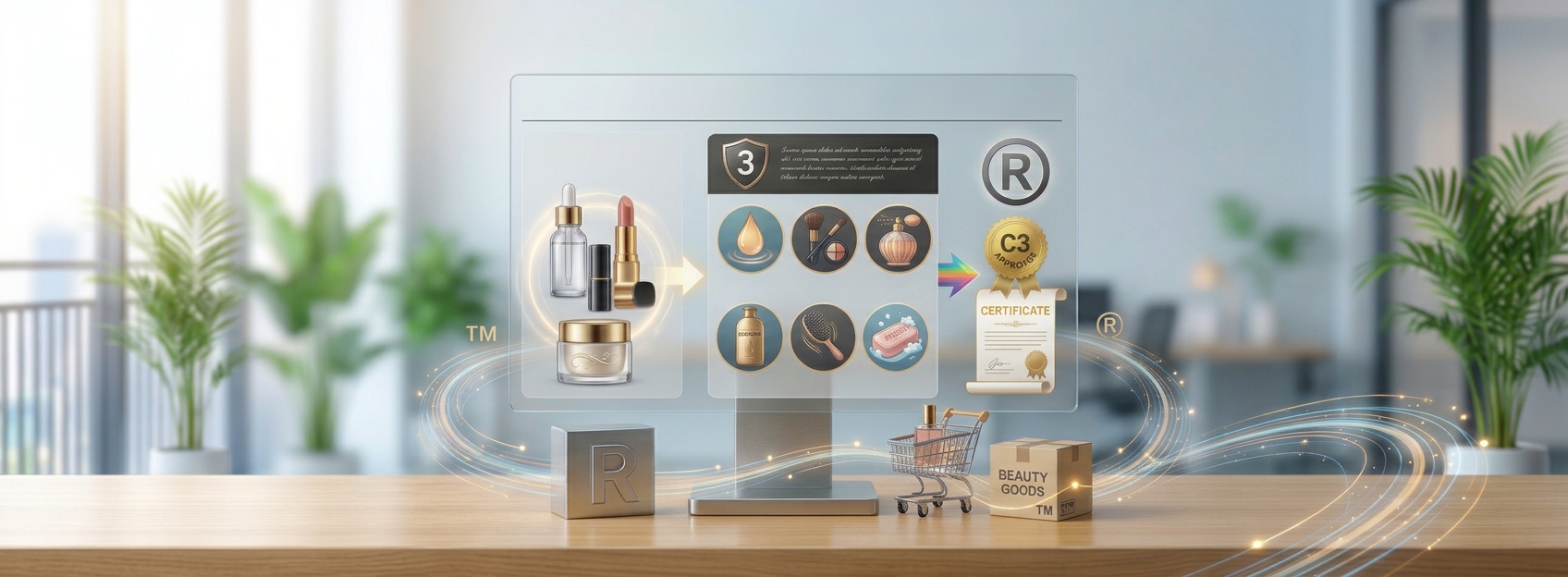
Quick Answer: Cosmetics are registered in Trademark Class 3, which covers makeup, skincare, perfumes, hair care, nail products, and toiletries. Depending on their business model and product lineup, beauty brands often file across Classes 5, 8, 21, 35, and 44.

Which Trademark Class Covers Cosmetics?

Cosmetics are classified under Trademark Class 3 within the Nice Classification, an international framework maintained by the World Intellectual Property Organization (WIPO) that sorts goods and services into 45 distinct classes. Class 3 functions as the bedrock trademark class for beauty products, establishing commercial priority over personal care formulations worldwide.

Class 3 Explained in Simple Terms

Class 3 of trademark encompasses non-medicated cosmetics, personal hygiene items, and common toiletry preparations. It protects items applied externally to the human face, hair, nails, and skin to clean, perfume, condition, and enhance appearance without modifying physiological structures or treating illnesses.

While Class 3 also houses household laundry detergents, scouring solutions, and polishing compounds, beauty and personal wellness enterprises focus specifically on the cosmetic and grooming segments listed in the official schedule.

How the Nice Classification Groups Beauty Products

The Nice Classification system groups commercial items by biological function, raw material, and consumer utility rather than retail shelving convenience. Consequently, complementary beauty products packaged together inside a single gift set regularly fall into separate legal classes.

A tinted lip balm belongs in Class 3, while the application brush belongs in Class 21, and the vanity bag holding them belongs in Class 18. Trademark protection does not jump automatically between related categories. The current edition in force is NCL 13-2026, which took effect on January 1, 2026, and governs all new trademark filings.

Products Covered Under Trademark Class 3 (Cosmetics)

Class 3 encompasses a comprehensive range of non-medicated personal care and grooming preparations. Filing for Class 3 trademark cosmetics requires organizing your products into recognized commercial categories.

Product Group

Core Goods Included in Class 3

Makeup and Colour Cosmetics

Liquid foundations, concealers, contour sticks, loose and pressed setting powders, blushers, bronzers, highlighters, lipsticks, lip glosses, lip liners, mascaras, eyeliners, eyeshadow palettes, and makeup setting sprays.

Skincare Products

Facial cleansers, cleansing balms, micellar waters, hydrating toners, serums, daily moisturizers, night creams, eye creams, clay masks, sheet masks, facial oils, and physical or chemical exfoliants, provided they are non-medicated.

Perfumes and Fragrances

Perfumes, pure perfume extracts, eau de parfum, eau de toilette, eau de cologne, scented body mists, aftershaves, and non-medicated essential oils used for personal fragrance or aromatherapy.

Hair Care Products

Shampoos, rinse-out conditioners, leave-in conditioning sprays, hair repair masks, hair growth oils (cosmetic claims only), styling gels, pomades, mousses, hairsprays, and non-medicated hair dyes and bleaches.

Nail Care Products

Traditional nail polishes, gel lacquers, base coats, high-shine top coats, nail polish removers, cuticle oils, nail strengthening solutions, and artificial press-on nails.

Personal Care and Toiletries

Bar soaps, liquid body washes, foaming shower gels, roll-on deodorants, spray antiperspirants, fluoride and non-fluoride toothpastes, breath-freshening mouthwashes, shaving creams, and depilatory waxes.

Sun Care and Self-Tanning

Non-medicated broad-spectrum sunscreens, daily SPF facial lotions, soothing after-sun gels, self-tanning drops, bronzing mousses, and tan-extending moisturizers.

Lash and Brow Products

False strip eyelashes, individual lash clusters, lash adhesives, brow styling soaps, brow gels, brow pomades, and temporary brow and lash tinting kits.

  • Makeup and Colour Cosmetics: Formulations in this segment provide aesthetic enhancement across the eyes, lips, and face. Applications should list specific goods, including foundation makeup, lip stains, and eye crayons, rather than relying on generic descriptions.

  • Skincare Products: Skincare items include topicals designed to hydrate, exfoliate, and protect the skin barrier. Formulations must remain non-medicated to qualify for Class 3, using terms like cosmetic facial serums and moisturizing lotions.

  • Perfumes, Fragrances, and Essential Oils: Fragrance lines cover aromatic extracts, perfumed body sprays, and scented waters. Essential oils fit within this category when intended for cosmetic applications, whereas therapeutic extracts belong in Class 5.

  • Hair Care Products: This category includes non-medicated preparations that wash, condition, treat, and style human hair. Shampoos, texturizing sprays, and chemical-colouring preparations belong here, provided they claim no clinical scalp remedies.

  • Nail Care Products: Manicure solutions encompass colour or lacquers, artificial tips, and cuticle balms. Base preparation fluids like nail polish removers and cuticle-softening liquids fall directly into Class 3.

  • Personal Care and Toiletries: Routine hygiene items, including body washes, antiperspirants, and dental pastes, sit here. These products must focus on cleanliness, body odour control, and grooming rather than pharmaceutical treatment.

  • Sun Care and Self-Tanning Products: Cosmetic sun lotions, bronzers, and gradual self-tanning preparations belong in Class 3. The goods wording should specify cosmetic sun protection to prevent conflicts with medical registries.

  • Lash and Brow Products: Aesthetic eye enhancements like false lashes, adhesive glues, and styling brow gels belong in Class 3 because their sole purpose is aesthetic appearance rather than biological alteration.

Other Trademark Classes Beauty Brands Should Consider

Beauty brands often expand beyond topical bottles and compacts. Broadening into electronic tools, application devices, digital apps, and salon services requires selecting secondary beauty brand trademark classes.

Nice Class

Scope of Goods or Services

Business Profiles Requiring Protection

Class 5

Medicated skincare, acne treatments, pharmaceutical lotions, antibacterial washes, and dietary supplements with a cosmetic effect.

Clinical skincare brands, acne care labels, cosmeceutical startups, and beauty supplement lines.

Class 8

Hand-operated beauty tools such as tweezers, eyelash curlers, cuticle nippers, nail files, manual razors, along with electric hair styling irons and curling tongs.

Grooming brands, nail care suppliers, and professional hair styling appliance makers.

Class 9

Mobile beauty apps, augmented reality virtual try-on software, and AI skin diagnostic tools.

Tech-driven beauty brands, virtual consultation platforms, and digital shade-matching services.

Class 10

Micro-needling rollers, therapeutic light therapy masks, and medical-grade dermatological devices.

Med-spa product developers and therapeutic skincare device companies.

Class 11

Hair dryers, blow-drying hoods, facial steamers, and heated cosmetic applicators.

Hair tool manufacturers, salon hardware suppliers, and personal aesthetic appliance lines.

Class 18

Cosmetic bags sold empty, travel toiletry bags, makeup pouches, vanity cases, and branded beauty totes.

Lifestyle beauty brands, influencer product lines, and cosmetic travel kit distributors.

Class 21

Makeup brushes, cosmetic blending sponges, powder puffs, empty cosmetic jars, pump bottles, and cleaning instruments.

Every makeup brand selling application tools, plus private-label cosmetic packaging suppliers.

Class 26

Hair extensions, synthetic hair pieces, toupees, wigs, hair clips, and decorative hair ribbons.

Specialized hair extension brands and wig designers.

Class 35

Retail store services, mail-order catalogue services, and online marketplace services featuring cosmetics, skincare, and personal care products.

E-commerce beauty boutiques, multi-brand retailers, and direct-to-consumer cosmetic sites.

Class 41

Professional makeup artistry courses, aesthetic workshops, beauty masterclasses, and vocational cosmetology instruction.

Celebrity makeup artists, beauty academies, and influencer education portals.

Class 44

Professional beauty salon services, medical aesthetic clinics, day spas, nail bars, hair styling salons, and cosmetic dermatology practices.

Salons, spas, wellness retreats, and clinical cosmetic treatment facilities.

  • Class 5 (Medicated Skincare and Ingestibles): Class 5 covers items targeting medical skin conditions, acne preparations, and ingestible wellness supplements like collagen powders and biotin gummies.

  • Class 8 (Manual and Electric Grooming Tools): Class 8 covers hand-operated implements like nail clippers, tweezers, manual razors, and electric flat irons or curling tongs.

  • Class 9 (Beauty Apps and Virtual Software): Modern brands deploying digital shade-matching tools, skin diagnostics, or virtual augmented reality try-on software require Class 9 coverage.

  • Class 10 (Therapeutic and Clinical Devices): Tools claiming to stimulate cellular repair, alleviate skin inflammation, or deliver clinical dermatology treatments belong under Class 10.

  • Class 11 (Heated Appliances and Steamers): Electrical appliances that dry, steam, or heat, such as salon hair blowers and warm-mist facial steamers, are registered under Class 11.

  • Class 18 (Cosmetic Pouches and Travel Cases): Secondary containers used to store or transport cosmetics, such as branded vanity cases and zippered makeup pouches, sit within Class 18.

  • Class 21 (Brushes, Sponges, and Containers): Essential for any makeup trademark class strategy, Class 21 covers application tools like blending sponges, blush brushes, and empty cosmetic compacts.

  • Class 26 (Hair Pieces and Extensions): Structural hairpieces, synthetic clip-in extensions, and styling fasteners are classified separately from hair care liquids.

  • Class 35 (Retail and E-Commerce Services): While Class 3 covers the product label, Class 35 protects retail storefronts and e-commerce websites selling beauty supplies.

  • Class 41 (Education and Training): Beauty educators, makeup artists running public masterclasses, and digital academies teaching cosmetology require Class 41 protection.

  • Class 44 (Salons, Spas, and Aesthetic Clinics): Hands-on professional beauty services, including lash applications, hair styling, skin treatments, and aesthetic clinic procedures, belong in Class 44.
Class 3 vs Class 5: Cosmetic or Medicated Product?

Understanding cosmetics class 3 vs class 5 is the most critical classification decision a personal care enterprise makes. Trademark offices evaluate intended use and commercial claims rather than chemical formulas alone when assigning a product to its proper class.

How Product Claims Decide the Class

Classification hinges on the promise a product makes to consumers. Formulations that cleanse, moisturize, beautify, and support personal grooming sit in Class 3. Formulations that treat, heal, mitigate, or cure medical conditions belong in Class 5.

Regulatory packaging, promotional materials, and product descriptions determine this classification. If a facial wash claims to refresh and brighten tired skin, examiners place it in Class 3. If that same formula claims to treat cystic acne or cure rosacea, examiners will require it to be classified under Class 5.

Examples: Moisturizer vs Acne Treatment Cream, Sunscreen vs Medicated Sun Cream

  • Moisturizers vs Eczema Creams: A daily facial moisturizer that hydrates dry skin and restores skin softness belongs in Class 3. An anti-inflammatory cream formulated to treat atopic dermatitis or calm eczema belongs in Class 5.
  • Daily Skincare vs Acne Treatments: A balancing facial lotion that unclogs pores and reduces oiliness belongs in Class 3. A targeted spot treatment with active clinical ingredients designed to eradicate acne lesions belongs in Class 5.
  • Cosmetic Sun Care vs Medicated Sunscreens: Everyday broad-spectrum sunscreens are accepted in Class 3 in markets like the United Kingdom and Europe. In countries like the United States and Australia, high-SPF sunscreens are regulated as drugs, frequently requiring Class 5 filings.
  • Cosmetic Serums vs Clinical Retinoids: A night serum formulated with botanical ingredients to soften fine lines belongs in Class 3. A high-strength prescription retinoid formulated to repair cellular photoaging belongs in Class 5.

When to File in Both Classes

  • Blended Cosmeceutical Lines: Dual filing is essential for brands that market clinical corrective treatments alongside everyday aesthetic cleansers and moisturizers.
  • Cross-Border Regulatory Differences: Securing both classes protects brands expanding across jurisdictions where regulatory authorities draw varying lines between cosmetic items and pharmaceutical products.
  • Securing Product Expansion Rights: Registering in both classes prevents third-party copycats from launching medicated products under your established beauty brand name.

Trademark Classes for Different Beauty Businesses

Aligning your trademark filings with your commercial structure ensures complete legal coverage while avoiding redundant filing fees.

  • Skincare Brand: File in Class 3 for daily toners, cleansers, and moisturizers. Add Class 5 if your collection includes medicated blemish treatments, eczema balms, or ingestible beauty supplements.

  • Makeup Brand: File in Class 3 for colour cosmetics and foundations. Add Class 21 to cover application brushes, cosmetic sponges, and compact powder puffs.

  • Perfume Brand: File in Class 3 for fine fragrances, colognes, and body sprays. Add Class 35 if your business operates standalone perfume boutiques or an online fragrance retail portal.

  • Haircare Brand: File in Class 3 for shampoos, conditioners, and styling sprays. Add Class 8 for hot curling wands, Class 11 for hair blowers, and Class 26 for synthetic hair extensions.

  • Nail Brand: File in Class 3 for nail polishes, gel lacquers, and cuticle oils. Add Class 8 for precision tweezers, nail clippers, files, and professional manicure sets.

  • Clean, Organic, or Vegan Beauty Brand: File in Class 3 for plant-derived skincare and natural cosmetics. Add Class 5 if botanical extracts make therapeutic claims.

  • Beauty E-Commerce Store: File in Class 35 to protect your retail and online marketplace services. Add Class 3 if you launch an in-house private-label cosmetic collection. (Read more - https://abounaja.com/blog/trademark-class-for-ecommerce)

  • Salon or Spa: File in Class 44 to protect hands-on aesthetic and spa services. Add Class 3 to cover branded retail cosmetics and haircare lines sold at checkout.

  • Beauty Influencer Brand: File in Class 3 for signature makeup drops, Class 35 for product merchandising, and Class 41 for digital beauty tutorials and masterclasses.

  • Private-Label or White-Label Seller: File in Class 3 to secure the brand name printed on product containers, combined with Class 35 to protect your online storefront.

How to Write a Strong Class 3 Goods Description

The goods description in your application determines your real legal protection. Using vague, broad, or outdated terms is a common cause of examination delays.

Using Approved Terms (TMclass, USPTO ID Manual)

  • Selecting Harmonized Identifiers: National trademark registries review goods against international databases. Using pre-approved terms from WIPO’s TMclass or the USPTO Trademark ID Manual speeds up examination and avoids manual reviews.


  • Lowering Examination Friction: Choosing standardized terms lowers the risk of formal examiner queries, helping your application clear formalities without procedural delays.


  • Simplifying Global Filings: Pre-approved terms translate smoothly across languages, making international trademark filings more straightforward.

Avoiding Vague Terms That Trigger Office Actions

  • The Risk of Overly Broad Language: Broad entries like "all cosmetics," "beauty goods," or "toiletries" are rejected by offices in the United States, Saudi Arabia, and China as indefinite.


  • Drafting Clear Product Terms: Replace vague terminology with specific entries such as "cosmetics, namely, lip glosses, liquid foundations, and cheek blushers".


  • Removing Unrelated Class Items: Keep medicated formulations out of Class 3 specifications. Listing medicated ointments under Class 3 triggers examiner rejections, requiring goods deletions or extra filing fees.

Planning for Future Product Lines

  • Covering Near-Term Expansions: While an application must reflect your current commercial focus, drafting should accommodate your two-year product roadmap. If you currently produce facial moisturizers but plan to introduce makeup and fragrances next season, include those goods in your initial Class 3 filing.


  • Avoiding Non-Use Risks: In most countries, registered trademarks become vulnerable to cancellation if they are not used commercially on claimed goods within three to five years. Including categories you never intend to produce leaves your registration open to legal challenges.


  • Balanced Drafting: Working with trademark professionals helps you strike the right balance between broad commercial coverage and long-term defensibility.

Common Trademark Problems for Cosmetic Brands

The personal care sector is highly congested. Understanding the common intellectual property challenges in this market helps you select and protect an enforceable brand name.

  • Crowded Naming Space: The personal care market is saturated with brand names using terms like "glow," "pure," "skin," "bloom," and "luxe." Using these common words makes registration harder and increases the risk of disputes.

  • Descriptive Names Rejected: Trademark offices reject marks that merely describe product qualities, ingredients, or outcomes. Names like "Natural Hydrating Serum" or "Vitamin C Brightening Lotion" are refused for lacking distinctiveness.

  • Opposition From Established Brands: Major beauty conglomerates actively monitor trademark filings and defend their intellectual property portfolios. Names that resemble an existing brand will face costly oppositions during the publication period.


  • Generic Ingredient Names: Trademarks centred on popular active ingredients like "Retinol," "Hyaluronic," or "Shea Butter" are unregistrable because competitors need these terms to describe their own formulations.


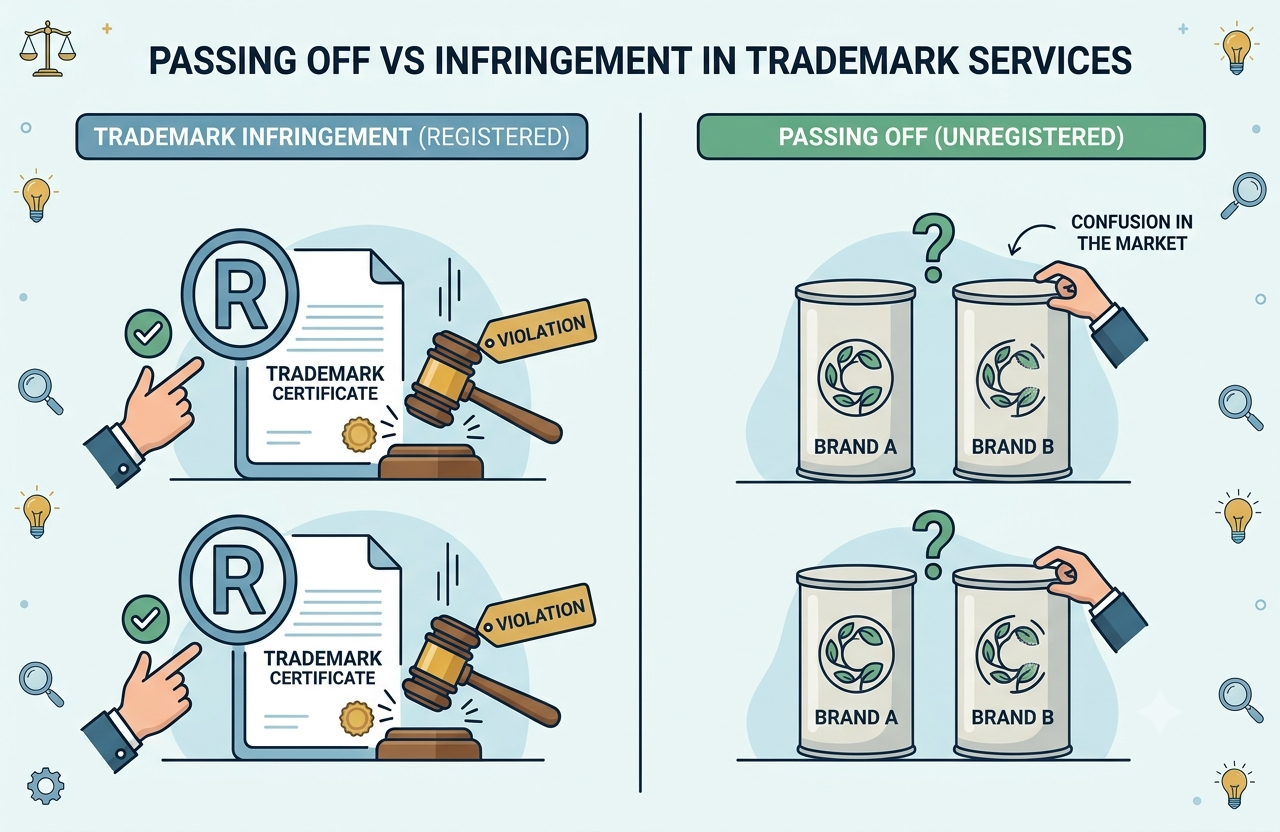
  • Look-Alike Packaging and Marketplace Imitators: Securing a word mark does not stop third parties from copying your product design or trade dress. Unscrupulous sellers can mimic bottle designs and colour schemes without using your brand name directly.

Protecting Your Beauty Brand Beyond the Name

A word mark protects your brand name, but securing your brand identity requires protecting visual, physical, and packaging elements as well.

  • Logo and Packaging Marks: Registering your logo and custom typography as separate design marks prevents copycats from using your visual brand identity, even if they use a slightly different name.


  • House Brand vs Individual Product Names: Separate your overarching house brand from individual product-line names. Registering your core house brand protects your broader portfolio, allowing secondary product lines to launch and retire without weakening your primary mark.


  • Trade Dress and 3D Bottle Marks: Distinctive containers, such as custom perfume bottles or unique cosmetic compacts, can be registered as three-dimensional trade dress to stop competitors from copying your physical product designs.


  • Marketplace Anti-Counterfeit Programs: A registered trademark is required to enroll in major online brand protection programs, including Amazon Brand Registry and Alibaba's Intellectual Property Protection (IPP) platform. These portals give you tools to remove counterfeit products and infringing listings quickly.

How to Register a Cosmetic Trademark

Registering a cosmetic trademark follows an established process. Understanding each stage helps you manage your budgets and product launch timelines effectively.

  • 1. Comprehensive Clearance Search: Search national and international databases across your selected classes to ensure your mark does not conflict with prior identical or similar registrations.


  • 2. Class Selection and Drafting: Map your products across Classes 3, 5, 21, and 35, selecting pre-approved terms to minimize examination delays.


  • 3. Filing the Application: Submit your application to the appropriate intellectual property office and pay the statutory filing fees for each selected class.


  • 4. Examination Review: An examiner checks your application for absolute issues like distinctiveness and relative conflicts with existing marks.


  • 5. Publication and Opposition: The trademark office publishes your approved mark in an official gazette, giving third parties a set period (usually 30 to 90 days) to raise objections.


  • 6. Registration and Certification: If no oppositions are filed, the office issues your registration certificate, establishing exclusive rights subject to periodic renewals.

Registering Your Cosmetic Trademark Internationally

Because trademark rights are strictly territorial, a registration in your home market provides no legal protection abroad. Expanding internationally requires securing rights across your target consumer markets.

  • United States (USPTO): Applications filed with the USPTO require specifying a filing basis, such as Section 1(a) for commercial use or Section 1(b) for intent-to-use. The USPTO enforces strict rules on goods descriptions and requires specimen evidence showing the mark in commerce before finalizing registration.


  • United Kingdom (UKIPO): The UK Intellectual Property Office operates a fast system that accepts multi-class filings. However, the high volume of beauty filings in the UK makes thorough pre-filing clearance searches essential.


  • European Union (EUIPO): Filing through the EUIPO protects all 27 EU member states with a single application. While cost-effective, an opposition in any single member country can hold up the entire European Union Trade Mark (EUTM) registration.


  • India (Trade Marks Registry): Filings follow Nice Classification guidelines. Given the growth of India's personal care market, securing both your English mark and regional language transliterations is recommended.


  • United Arab Emirates and the GCC: The GCC region is one of the world's most valuable personal care markets. The UAE, Saudi Arabia, Qatar, Kuwait, Bahrain, and Oman require local legal representation, with several regional offices using a single-class filing system and strict pre-approved goods lists.


  • China (CNIPA Subclass System): The China National Intellectual Property Administration divides Class 3 into distinct subclasses (e.g., subclass 0301 for cleaning preparations, 0306 for colour cosmetics). A general filing in one subclass does not automatically protect your brand against a competitor registering your identical mark in an adjacent subclass.


  • Australia (IP Australia): Australia provides a smooth registration path, but brands selling sun care and clinical skincare must coordinate their trademark strategy with the Therapeutic Goods Administration (TGA) to ensure proper class placement.


  • The Philippines and ASEAN Region: Southeast Asia is an expanding market for skincare and cosmetics. Registrations can be secured directly through individual national offices or consolidated through international filing treaties.


  • The Madrid Protocol: The WIPO Madrid System lets you file a single international application designating multiple member countries. This system cuts administrative costs and centralizes global portfolio management into one docket.


  • Cosmetic Notification vs Trademark Registration: Securing a trademark is entirely separate from obtaining regulatory product approvals. A trademark protects your brand name, while regulatory notifications with agencies like the US FDA, Indian CDSCO, Saudi SFDA, or Chinese NMPA verify that your formulas meet local safety, labelling, and ingredient standards.

Cosmetic Trademark Registration Cost

The total cost to register a cosmetic trademark varies depending on your filing approach. Planning your budget requires accounting for official fees, professional services, and international filings.

  • Number of Classes Filed: Most intellectual property offices charge government fees per class. Filing in Class 3 alone keeps upfront costs low, while building broad protection across Classes 3, 5, 21, and 35 increases official fees accordingly.


  • Target Geographic Footprint: Registering a mark within a single country requires paying one set of official fees. Expanding into multiple foreign markets through individual national applications or the Madrid Protocol increases filing expenses based on the jurisdictions selected.


  • Professional Clearance and Drafting Services: Working with intellectual property counsel to run clearance searches and draft defensible specifications requires an upfront legal investment. This expense helps prevent office actions, opposition disputes, and rebranding costs down the road.


  • Portfolio Maintenance and Renewals: A trademark registration lasts for ten years in most jurisdictions. Budgeting should account for long-term maintenance, including mandatory use declarations between years five and six in markets like the United States, as well as formal renewal fees every ten years.

How Abou Naja IP Helps Beauty Brands With Trademark Registration

Abou Naja Intellectual Property provides comprehensive global brand counsel for beauty enterprises, cosmetic startups, and personal care groups.

  • Custom Classification Architecture: Our trademark specialists examine your full cosmetic formulas, packaging methods, and upcoming launches. We structure complete specifications across Classes 3, 5, 21, 35, and related categories to protect your full product lineup without redundant costs.


  • Comprehensive Multi-Jurisdiction Clearance: Before you finalize packaging or launch product lines, our attorneys conduct deep clearance searches across national registries, common law markets, and regional gazettes to eliminate infringement risks.


  • Global Trademark Portfolio Execution: Abou Naja IP manages international filings through direct regional patent and trademark offices as well as the WIPO Madrid System. We oversee filings, track deadlines, answer office actions, and secure valid registration certificates worldwide.


  • Active Anti-Counterfeit and Marketplace Enforcement: We protect your brand reputation against copycats, packaging imitators, and unauthorized gray-market sellers. Our team uses your registered rights to remove infringements across leading e-commerce platforms and global social channels.


beauty brand trademark class

Cosmetic Trademark Class FAQs

What trademark class is cosmetics?

Cosmetics belong in Trademark Class 3. This international Nice Classification category covers non-medicated personal care and grooming items, including makeup, skincare, perfumes, hair products, nail lacquers, and everyday toiletries.

Is skincare Class 3 or Class 5?

Skincare belongs in Class 3 when formulated for general cosmetic use, such as cleansing, hydrating, or enhancing appearance. It moves to Class 5 when the product is formulated to treat, heal, or prevent physiological skin conditions like acne vulgaris, eczema, dermatitis, or fungal infections.

Which class covers makeup brushes?

Makeup brushes are registered in Trademark Class 21. This class covers cosmetic application tools, including powder brushes, blending sponges, cosmetic puffs, and empty compact cases or dropper bottles.

What class are beauty salons registered in?

Beauty salons, spas, and aesthetic treatment centers are registered in Trademark Class 44. This service category covers personal care services like hairdressing, manicures, cosmetic treatments, and aesthetic clinic procedures.

Do I need a separate trademark for each product name?

You do not need a separate trademark for each individual product name if everything is sold under your core house brand. However, securing independent trademark registrations for signature, highly promoted product-line names prevents competitors from copying your hero products.

Which class covers perfume?

Perfumes, eau de parfum, colognes, and fragranced body sprays belong in Trademark Class 3. If a fragrance brand also operates branded retail boutiques or dedicated online storefronts, it should add Class 35 for retail services.

Can I register my cosmetic brand in multiple classes in one application?

In many jurisdictions, including the European Union, the United Kingdom, and the United States, you can register across multiple classes using a single multi-class application. However, some jurisdictions, particularly in the Middle East, continue to use single-class application structures.

Does trademark registration replace cosmetic product registration?

No. A trademark registration provides exclusive legal rights to your brand name and logo, stopping competitors from using confusingly similar marks. Cosmetic product notification or registration with regulatory agencies like the US FDA, Saudi SFDA, or European CPNP evaluates ingredient safety, formulation compliance, and consumer labelling. Beauty brands must secure both.

Conclusion

Choosing the correct cosmetic trademark class turns your brand name into an enforceable commercial asset. The foundation for personal care lines begins with Class 3, which protects core formulas across makeup, skincare, fragrances, and personal hygiene. As your business grows, adding companion classes for application tools, medicated solutions, retail services, and aesthetic treatments creates comprehensive brand protection.

Filing an accurate, well-drafted specification from the start prevents expensive office actions, keeps your brand safe from competitors, and secures your position in a competitive global market. Abou Naja IP works alongside beauty founders and personal care groups to design clear classification roadmaps, run exhaustive clearance checks, coordinate international filings, and protect your intellectual property worldwide.

شارك هذا المقال