what is tm
Trademark

What is TM? Meaning of the ™ Symbol Explained

发布于 Jan 01, 1970
更新于 Sep 04, 2026
2 分钟阅读

TM stands for trademark and is a symbol (™) used to show that a word, logo, or slogan is being used as a brand identifier for a product or service, even if it hasn't been officially registered with a government intellectual property office.

Intellectual property symbols frequently cause confusion for entrepreneurs trying to distinguish between informal claims and official government grants. Gaining absolute clarity on meaning of the ™ Symbol allows you to signal brand ownership, deter potential copycats, and navigate complex regional regulations safely. Below is a complete roadmap to understanding what is ™, unregistered rights, proper formatting rules, and the essential steps required to transition your brand from a simple commercial placeholder to fully protected statutory registration. 

What is the ™ Symbol Used For?

The primary purpose of the TM symbol is notice and deterrence. It is used to:

  • Establish Priority: Formally signal to the market and potential competitors that you are claiming common-law or preliminary rights to a brand name or logo.

  • Deter Infringement: Warn others against copying your branding by making your intention to protect your intellectual property clear.

  • Build Brand Professionalism: Showcase market presence and commercial seriousness, even while an official trademark application is pending or being prepared.

Get your trademark registration now!

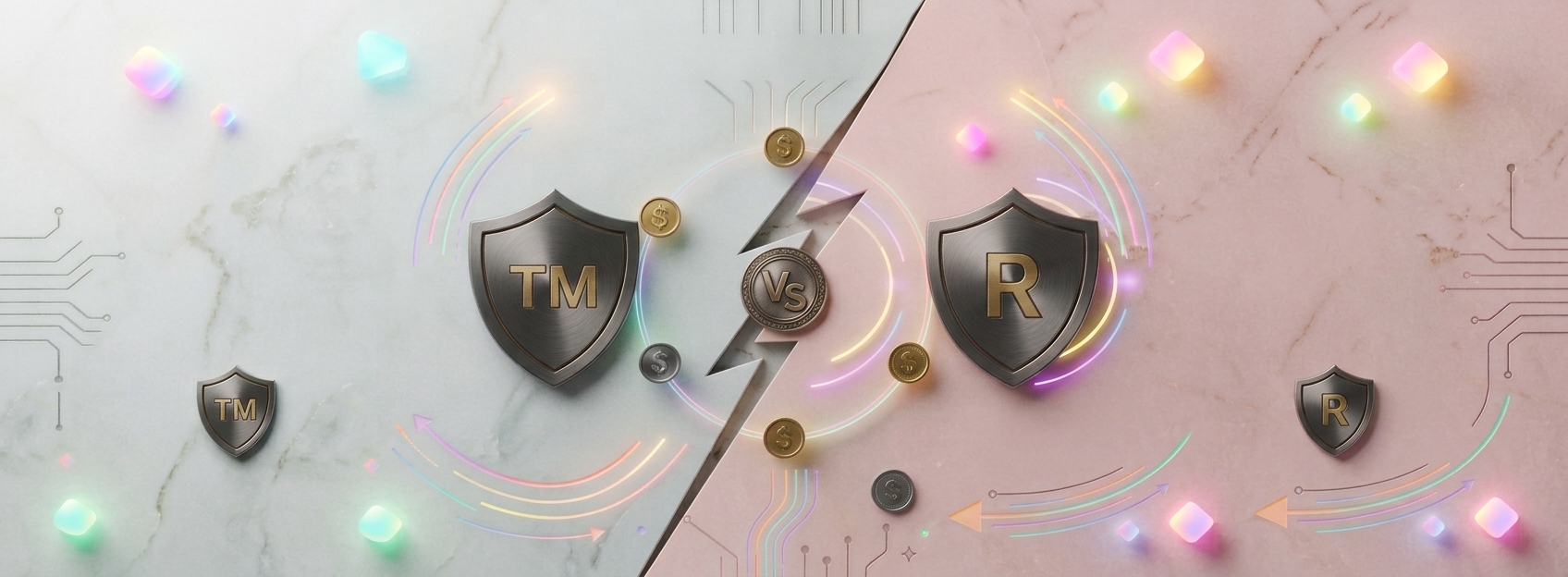
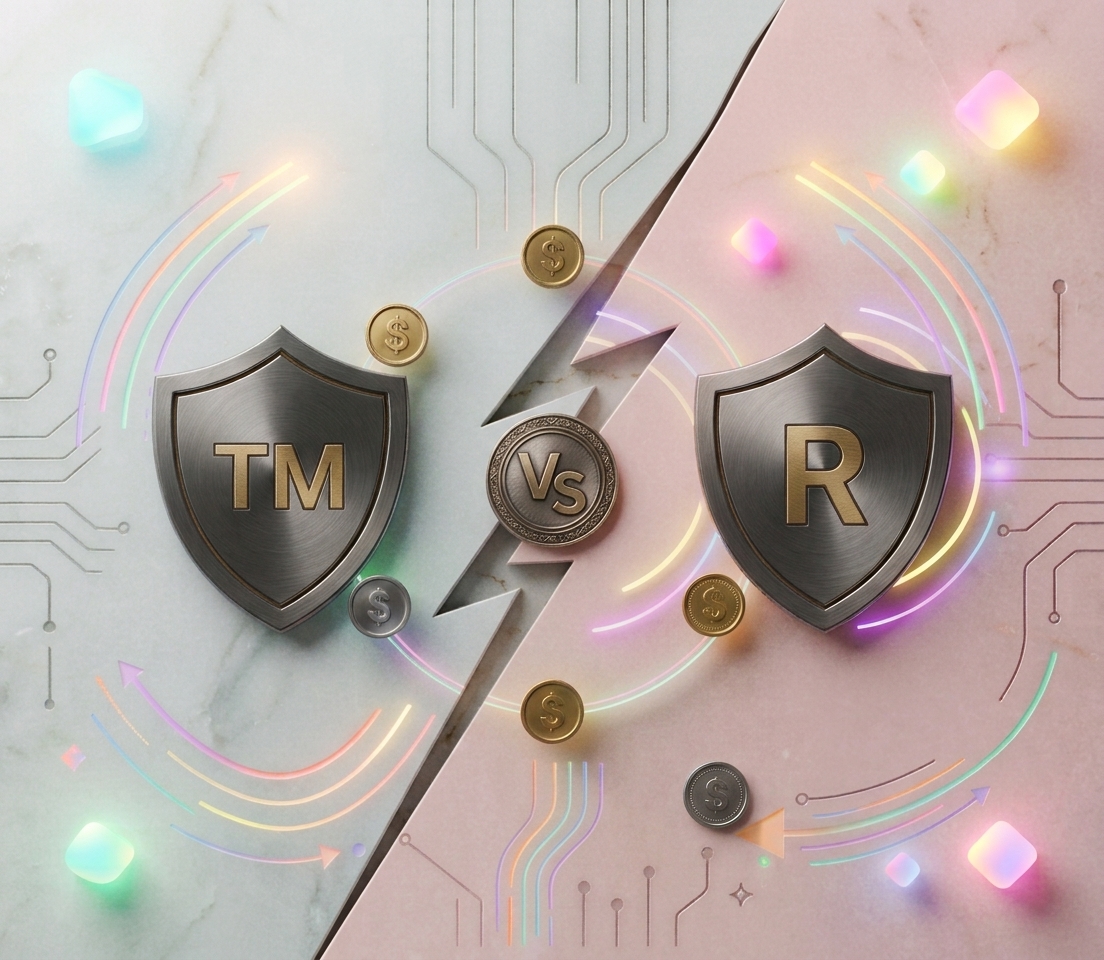
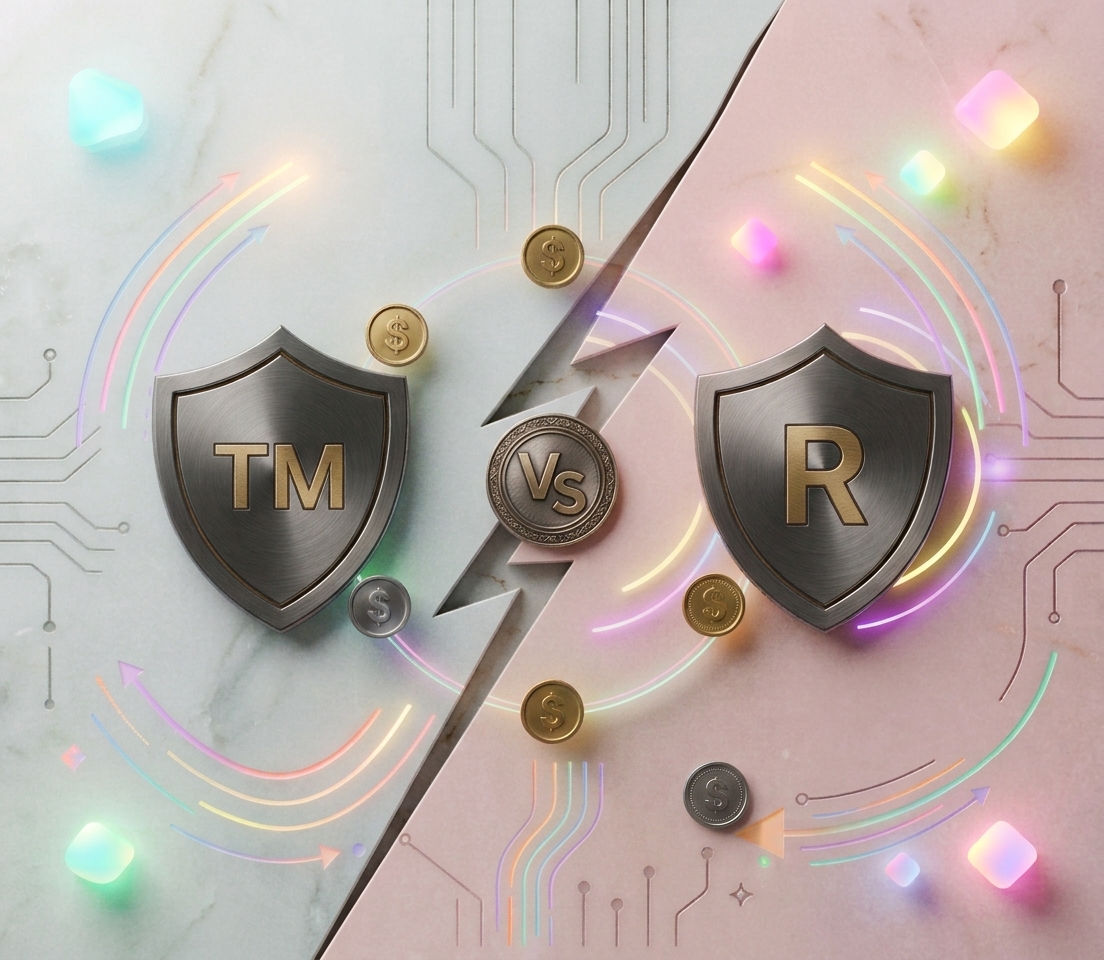
TM vs ®: What's the Difference?

Symbol

Meaning

Requires Registration?

Claiming trademark rights (unregistered)

No

®

Registered trademark

Yes


While the
symbol can be used freely on any unregistered mark, the ® symbol is strictly restricted. Using the ® symbol on a mark that has not been officially registered with a national intellectual property office is illegal in many jurisdictions and can lead to penalties or legal complications.

When Should You Use the ™ Symbol?

You should consider using the ™ symbol when:

  1. Launching a New Brand: You have introduced a new product name, logo, or tagline to the market and want to immediately signal ownership.
  2. Your Application is Pending: You have filed a trademark application with an intellectual property office, but the registration process is still underway.
  3. Relying on Common Law Rights: In regions that recognize common law rights, using this symbol helps document the timeline of your commercial use.

How to Use the ™ Symbol Correctly

To ensure proper formatting and legal clarity:

  • Placement: The symbol is typically placed in the upper or lower right-hand corner of the trademarked text or logo (e.g., BrandName™).
  • Styling: It is usually formatted in superscript.
  • Frequency: You do not need to crowd every single mention of your brand with the symbol. Standard practice is to use the ™ symbol on the first or most prominent appearance of the mark in documents, packaging, or web pages.

Do ™ symbol Rules Vary by Country?

Yes. While the symbol is widely recognized globally as a sign of an unregistered trademark claim, the legal weight and local regulations differ significantly by jurisdiction:

  • Common Law Countries (e.g., US, UK, India, Canada): Unregistered use backed by a ™ symbol can accrue common law rights based on actual geographic use.
  • Civil Law & GCC/MENA Regions (e.g., UAE, Saudi Arabia, Qatar): Trademark rights in these regions are governed by strict first-to-file statutes rather than commercial use.

For businesses operating here, knowing the legal reality of what is ™ and its significance reveals, it carries no statutory enforcement power on its own; it serves primarily as a commercial placeholder while your official regional application is processed across local IP offices.

What Happens When You Move from TM to ®?

Transitioning from to ® is a milestone that occurs only after performing a comprehensive trademark clearance search, filing a multi-jurisdictional application, and receiving official approval by the relevant government authority.

Once registration is granted:

  • You must update your product packaging, website footers, marketing materials, and logos to swap out the ™ for the ®.
  • You gain access to stronger statutory remedies, regional protection, and the legal presumption of ownership, making it much easier to stop counterfeiters and infringers.

Common Mistakes to Avoid

  • Using the ® Symbol Prematurely: Never use the ® symbol while your application is still pending. Doing so can constitute deceptive trade practices or fraud in certain jurisdictions.
  • Confusing TM  with SM: Use ™ symbol for physical goods, and SM (Service Mark) if your business exclusively offers services (though TM is frequently used interchangeably for both in modern commerce).
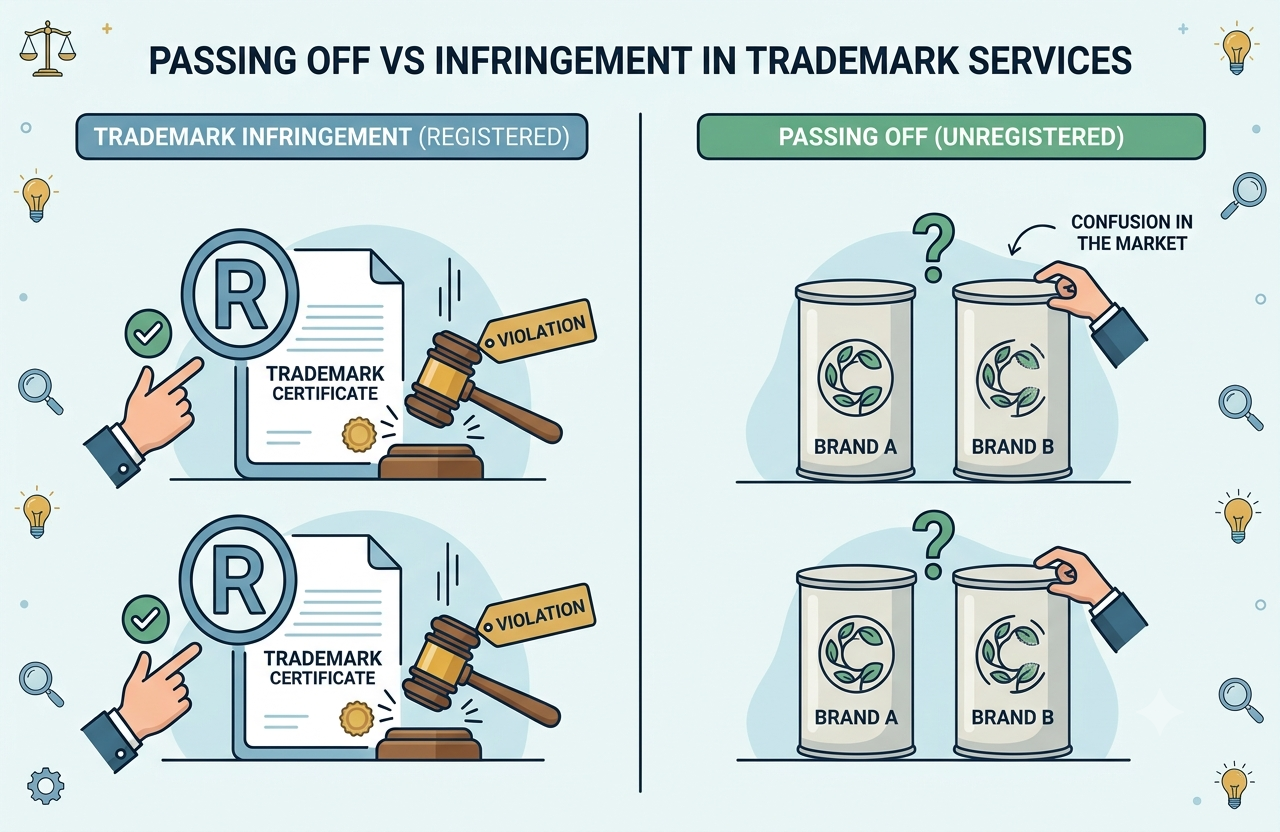
  • Assuming TM Equals Ownership: Realize that using the symbol does not grant you a legal monopoly. It only signals a claim; true legal protection requires formal registration.

Preventing these errors protects your brand's legal standing. By consulting the IP specialists at Abou Naja IP, you can avoid compliance risks and ensure your trademark strategy is built for long-term regional success.

what is trademark
what is trademark

FAQs

What does TM mean in a business name?

It means the business is claiming proprietary rights over that name as a commercial identifier, even though the name may not yet hold an official government registration.

Is TM legally binding?

The symbol itself does not create legal rights. Instead, it acts as a notice to the public. Legal rights depend on actual commercial use or formal registration laws in your country.

Can I use TM without registering my trademark?

Yes. The symbol can be used freely on any unregistered mark to show that you claim rights to it.

Is the TM symbol recognized in every country?

While commercially understood worldwide, its legal implications vary. Some countries place legal weight on unregistered use, while others strictly prioritize registered trademarks.

How long can I use TM before switching to ®?

There is no strict time limit. You can use the designation indefinitely while building your brand, but you should upgrade to ® as soon as your formal registration is granted.

Do I need a lawyer to use the TM symbol?

No lawyer is required simply to type or display the ™ symbol next to your brand. However, working with intellectual property professionals is essential when conducting clearance searches and filing for official registration.


Ready to Turn Your TM symbol into a Registered Trademark?

Don't leave your brand unprotected. Partner with Abou Naja IP to secure your intellectual property and safeguard your commercial assets across the local and international markets. 


分享这篇文章