Creating Online Courses, eBooks & Digital Content: IP You Need to Know
Digital content creation offers endless revenue generation opportunities for creators by allowing them to package their expertise into online courses, e-books, and other digital resources. However, without intellectual property (IP) protection, your online creative content can be copied, pirated, or misused without credit or payment.
The IP protection of digital content comes with challenges of copyright infringement, complex licensing agreements and fair use issues.
This blog will help you understand how to protect your online courses, eBooks, and Digital Content with robust IP strategies:
Why Intellectual Property for Online Courses and Digital Content Matters
Most creators assume that their responsibility is over as soon as they publish an online course or an eBook. Once the digital course is created, it reaches a space highly vulnerable to copyright infringement, content theft, and licensing risks.
If you are not vigilant about IP, your content may appear on a random website that can be accessed at a discounted rate or even for free.
Creators can also accidentally infringe upon other people’s IP rights when they use a copyrighted image. You may be regarded as a copyright law violator even if your intentions are pure.
What Types of Digital Content Need IP Protection?
E-learning content includes a wide range of formats that are delivered via various methods and cater to a diverse range of audiences, such as:
- Text-based content: E-books, Articles, Blog posts, Case studies, Learning paths
- Visual content: Training videos, Infographics, Slide presentations, Images/Graphics, Animated GIFs:
- Interactive content: Quizzes, e-learning games, Dialogue simulations, Interactive videos, Virtual and augmented reality simulations
- Audio content: Podcasts, Audiobooks
- Delivery methods: Online courses delivered through a learning management system, Virtual classrooms, Mobile learning (m-Learning), Blended learning, Microlearning, and Gamification
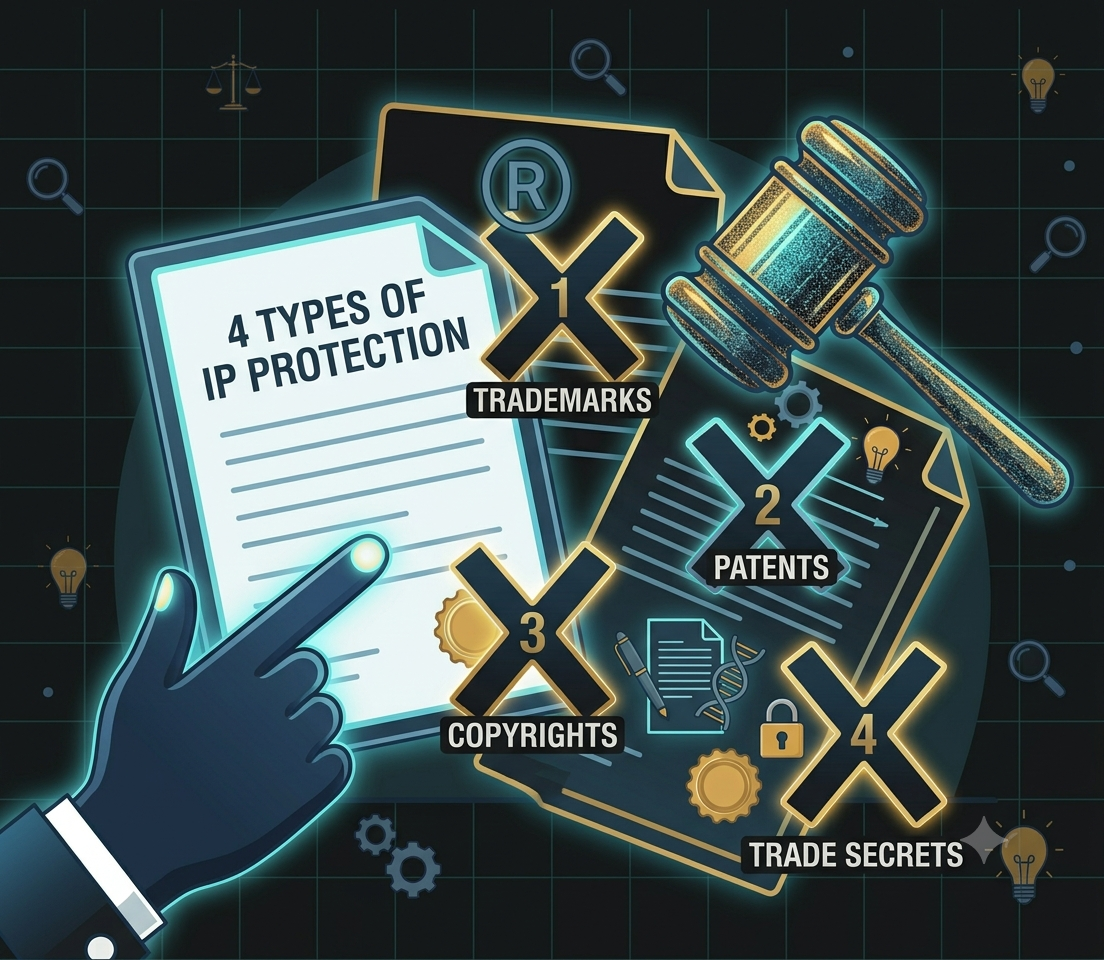
Forms of Intellectual Property That Apply to Online Courses
Copyright: Copyright protection automatically applies once the work is fixed in a tangible form. In most countries, copyright registration is not mandatory, but it enhances claims in legal disputes.
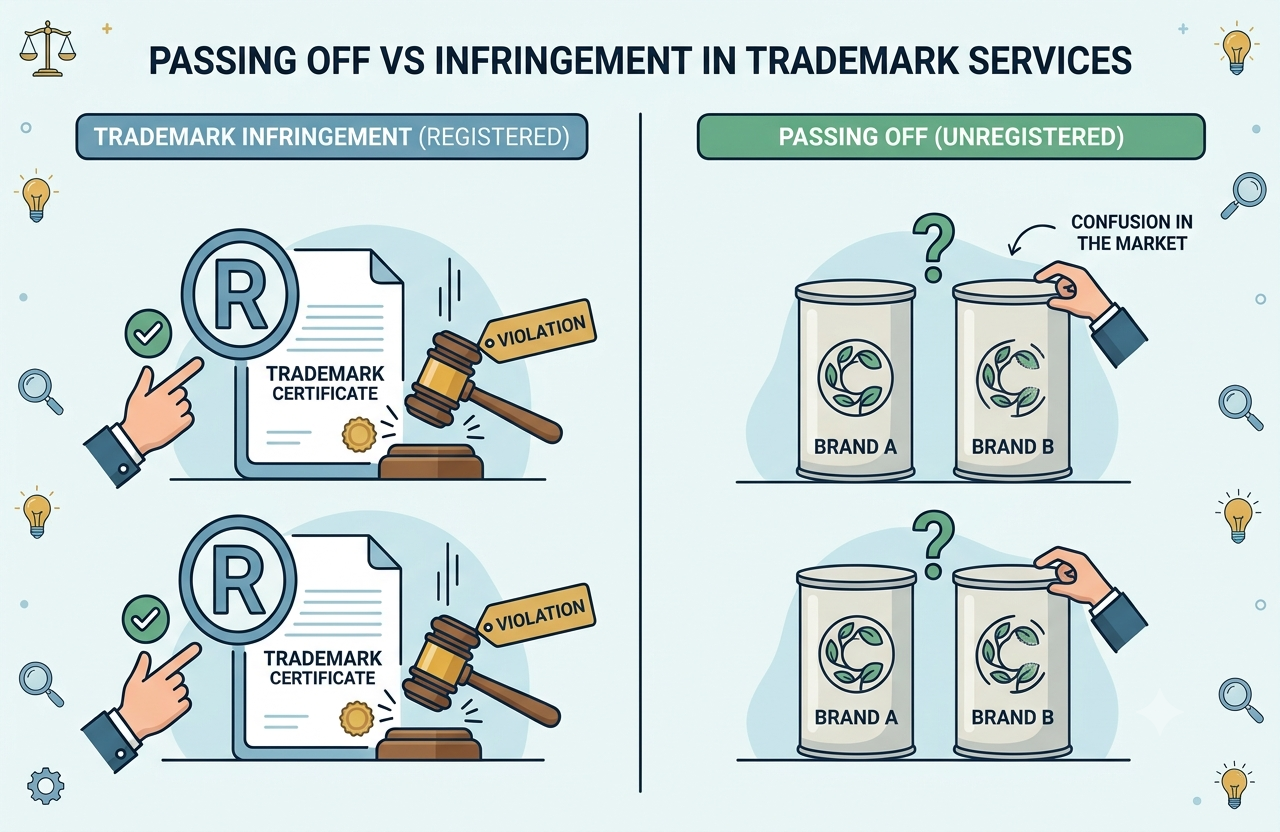
Trademarks: Trademark registration helps digital course creators to protect the brand names, logos and slogans associated with their educational products.
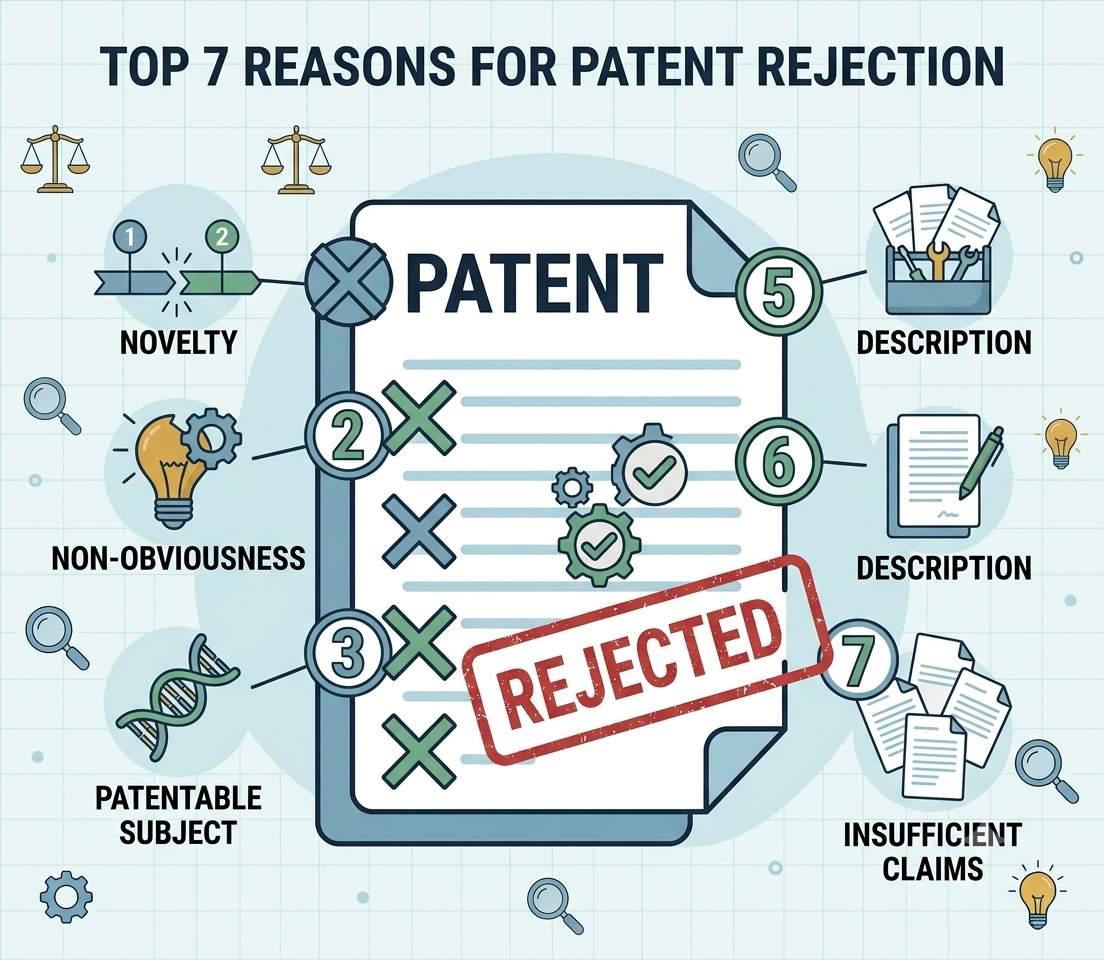
Patents: A Patent is a type of intellectual property rarely associated with the protection of online courses, e-books, and other forms of digital content. However, it may become relevant if the course includes inventive methods or systems.
Trade Secrets: Trade secrets are relevant to online courses to protect confidential methodologies or internal processes via nondisclosure agreements (NDAs).
Digital Rights Management: Digital Rights Management (DRM) refers to protection methods such as watermarks, access controls, and encryption. These are generally used to prevent unauthorised distribution of digital content.
How to Protect Your Online Courses and Digital Content: Step-by-Step
Ensuring IP protection is critical for creators of online educational courses, as it protects their original content and innovative methodologies. It also helps them distinguish their offerings from other creators offering similar services in the online marketplace.
To achieve effective IP protection, e-learning businesses must take the following actions:
1. Audit Your Intellectual Property
Audit your digital IP portfolio that includes course videos and scripts, lesson plans and slides, eBooks and worksheets, templates and tools, branding and graphics.
2. Add Copyright Notices
A simple copyright notice at the bottom of your e-learning content (PDFs, Videos, etc) would inform the users that you are the owners of the content. Though it won’t shield your digital content against infringement, it would provide you with a legal ground to act when someone starts misusing it.
3. Create comprehensive User Agreements
Establishing user agreements helps you describe the terms of access and usage rights. Try to ensure the agreement includes clauses for plagiarism detection, attribution practices, and consequences for violations.
4. Add Watermarks to Your Content
Adding watermarks to your online course content will help prevent copying or unauthorised distribution. You can add watermarks to your videos or PDFs.
5. Conduct Copyright Registration
Though many course creators add copyright notices on their digital content, only a few of them seek protection through copyright registration. This is because copyright protection applies automatically once the creative work is fixed on a tangible form.
However, registration offers valuable benefits such as providing a public notice of your copyright claim, establishing a record of ownership, and enabling you to sue for infringement and collect damages. You may apply copyright protection for photos, videos, PDFs, blogs, websites and social media content, music or audio content.
6. Create Non-Disclosure Agreements
If your employees or contractors have access to your eBook or online course content, you can use NDAs to ensure they do not distribute it or use it without your authorisation.
7. Trademark your Course Name
Trademark registration will help you safeguard your course name, logo or tagline. Trademarking will help you prevent others from using similar brand names, add value to your digital content business, and provide you with more legal muscle when disputes arise.
You need to ensure that your course name, logo and slogan are distinctive. However, you may need a trademark expert to trademark the brand identity of your online course.
8. Monitoring and enforcement
Regular monitoring and enforcement of IP assets helps you identify unauthorised use or copying. It enables you to take relevant legal action against the infringers.
Hosting Courses on eLearning Platforms: What IP Creators Should Know
There are many online course builder platforms that allow you to create and manage your course on their platforms. You need to check the following things while hosting a course on such platforms:
- Check who owns the ownership, you or the platform. Make sure their claims and usage restrictions are agreeable.
- Check whether the platform complies with relevant data privacy laws
- Ensure their privacy policies align with yours
- Understand what is written in the service agreements related to platform issues
Some of the top online course hosting and management platforms are:
Copyright Compliance for Online Courses and eBooks
Using someone else’s content without permission amounts to copyright infringement. However, you may use copyrighted material for your eBook or online course content in the following circumstances:
Public Domain Content: Works that have fallen into the public domain can be used freely as they are not subject to copyright protection
Creative Commons: Certain materials available under Creative Commons licenses can be used subject to specific conditions
Ask for Permission: You can use copyrighted material by obtaining permission from the copyright owner. This may involve a license agreement or payment of fees.
Fair Use Exception: You may leverage the fair use doctrine for restricted usage of copyrighted material such as commentary, criticism, news reporting, teaching, scholarship, or research.
What to Do When Someone Steals Your Online Course or eBook?
If you find your course, eBook, or video shared illegally, you may opt for the following actions:
- Take screenshots as evidence
- Send an email asking them to remove it
- File a DMCA takedown notice with the website host
- Consult an IP lawyer if the issue escalates
Protect Your Course or Digital Product with Expert IP Help
Whether you're launching a new online course, publishing an eBook, or scaling your digital business, strong IP protection is non-negotiable. At Abou Naja Intellectual Property, we specialize in helping creators register copyrights, trademarks, and draft enforceable user agreements.
We are an IP firm with more than five decades of experience and offer a wide range of IP services. Our trademark and copyright lawyers can draft all the relevant agreements and ensure your IP is protected from infringement. For more insights, closely watch this space or drop an email at [email protected].
Intellectual Property FAQs for Digital Creators
- Are Online Courses Eligible for Copyright Protection?
Course contents that are fixed in a tangible form are eligible for copyright protection provided they are original and display a minimal degree of creativity. - How Does Fair Use Apply to E-Learning Content?
Fair use enables online education content creators to use copyrighted materials, fostering educational equity. - What Are the Consequences of IP Infringement?
IP infringement in e-learning may lead to severe penalties and legal consequences.