E-commerce and Social Commerce: Top IP Strategies Against Cyber Counterfeiting
The explosive growth of social media and e-commerce platforms has made it easier for brands to reach out to their target customers. However, this rapid expansion has also opened doors to an increasing threat: Cyber Counterfeiting.
Counterfeiters increasingly flood e-commerce platforms and social commerce networks with fake products disguised as legitimate offerings. This surge in e-commerce counterfeiting highlights the urgent need for brands to adopt strong intellectual property (IP) strategies to safeguard their products and customer trust.
E-commerce and Social Commerce: A Soft Spot for Counterfeit Goods
The digital economy has blurred the boundaries of traditional retail, e-commerce and social commerce.
A Statista report states that global retail e-commerce sales will cross USD 4.3 trillion in 2025, and will further increase in the next few years. Social networks accounted for an estimated 17.11% of total online sales in 2025.
The enormous volume of sales, worldwide reach, and the degree of anonymity have made social and e-commerce trade a soft spot for counterfeiters. Brands must adhere to robust IP strategies to scale their online counterfeits prevention efforts.
How does Cyber Counterfeiting Work in the Online Marketplaces?
Online counterfeiting is more perilous than traditional counterfeiting, as fraudsters can easily infiltrate e-commerce and social media spaces to sell fake goods.
The vast reach and anonymity offered by the internet often work in their favour. The cyber counterfeiters deceive consumers through fake product listings, fraudulent websites, and even paid social media ads.
Intellectual Property Protection Against Counterfeit Goods
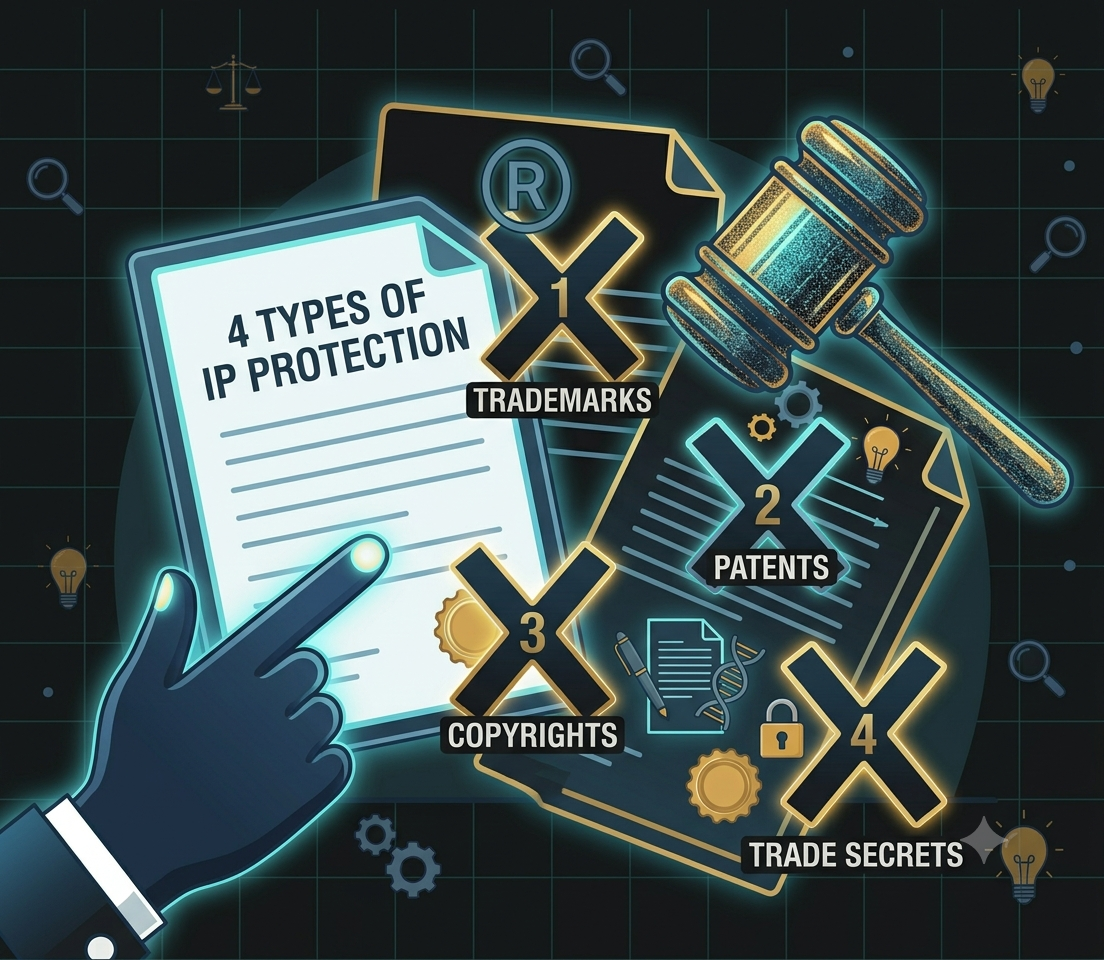
Intellectual property rights (IPRs) are the most effective defence against counterfeit products. The most significant IPRs in the fight against fake products include:
- Trademarks: to safeguard brand names, logos, and slogans
- Copyrights: to protect original content (product images, descriptions, and videos)
- Patents: to safeguard product innovations and technical solutions
- Design Rights: to protect the appearance of a product or packaging
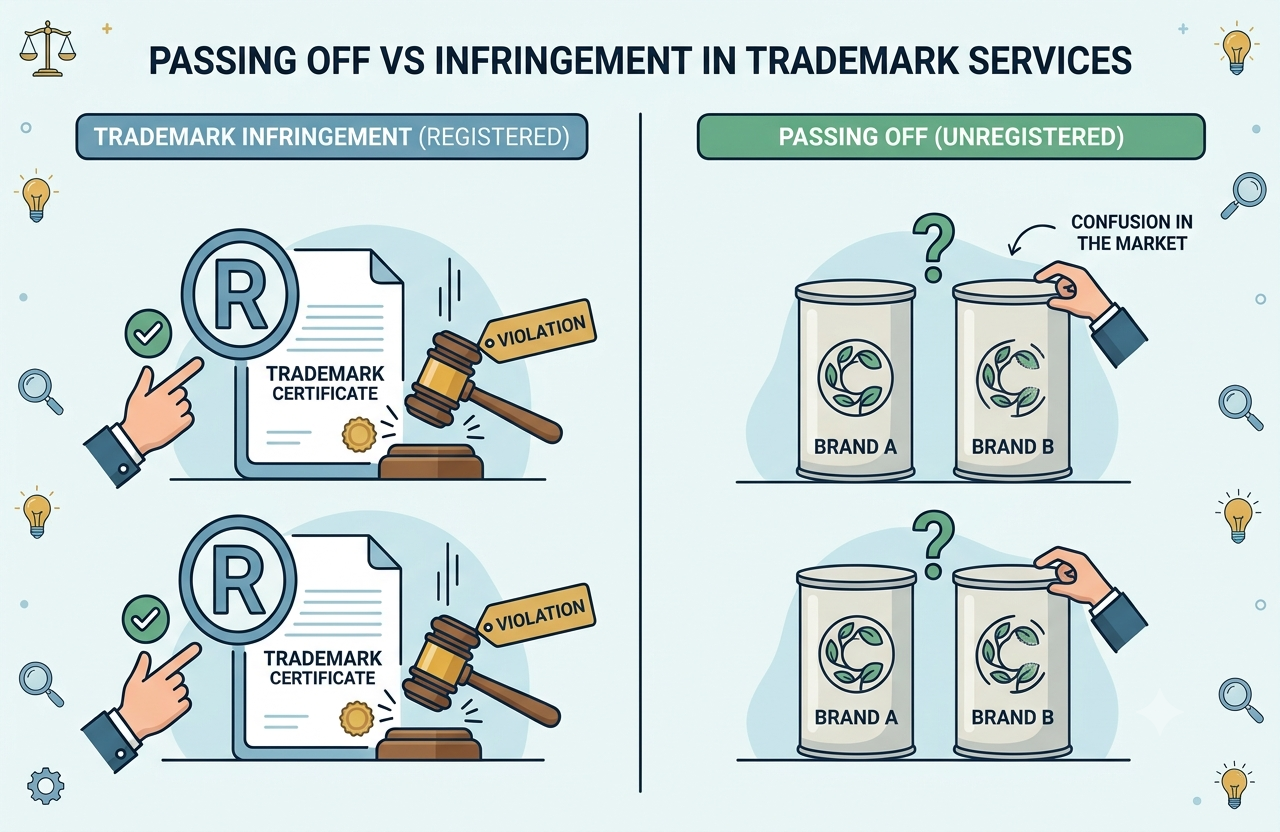
Registering trademarks, patents, copyrights and design rights enables brand owners to demand takedowns, file lawsuits, and work with law enforcement and platform providers to remove fraudulent listings.
Effective IP Strategies to Fight E-commerce Counterfeiting
- Worldwide IP Registration: Register your IP in all the markets where your products are being sold
- Monitor Online Platforms: Monitor online product listings with AI tools or other effective brand-watching tools.
- Educate your customers: Run campaigns to make consumers aware of how to distinguish between genuine goods and knockoffs.
- Partner with Platforms: Collaborate with e-commerce and social media platforms to detect and remove listings that infringe on your IP rights.
- Take Legal Actions: Leverage legal remedies against IP infringements, including cease-and-desist letters, DMCA takedown notices, and civil or criminal action.
Anti-Counterfeiting Measures on E-commerce & Social Platforms
Amazon
Amazon allows brand owners to report IP infringements through the Amazon Brand Registry. A pending or registered trademark is mandatory to enrol the brand with Amazon Brand Registry.
Temu
Counterfeit product listings in Temu can be reported through its online IP infringement report portal. Temu’s brand registry allows brand owners to safeguard their products and listings.
Alibaba
Brand owners can fight fake product listings by submitting take-down notices through Alibaba’s International Intellectual Property Protection Platform.
eBay
Any fake product listing detected on eBay can be reported through eBay’s Verified Rights Owner (VeRO) Program. The IP owners are required to submit a Notice of Claimed Infringement.
JD.com
JD.com is China’s biggest retailer, and therefore, the focus is on IP infringements in China. Takedown requests can be submitted through JD.com’s specialised platform that deals with infringement claims of trademark, patent and copyright.
Instagram and TikTok
Instagram and TikTok have become the breeding grounds for knockoffs or fake products. Both platforms have tools for reporting fraudulent goods. However, their anti-counterfeiting measures are more reactive than preventive.
The Impact of Counterfeiting in E-commerce and Social Commerce
A 2025 report by the Organisation for Economic Co-operation and Development (OECD) finds that global trade in counterfeit goods was valued at USD 467 billion in 2021. This figure represents 2.3% of global imports.
The impact of e-commerce counterfeiting is dire and far-reaching. Both businesses and consumers face severe consequences, from unsafe counterfeit goods reaching buyers to brands losing revenue, trust, and long-term customer loyalty.
- Consumers receive unsafe or substandard products.
- Brand owners may incur severe financial losses as they are deprived of legitimate sales and profits.
- Businesses may lose customers’ trust and loyalty as a result of substandard products.
- Business costs will rise due to the expenses resulting from legal actions, security measures and investigations.
Case Studies: How Brands Fight E-commerce Counterfeiting
Nike vs. Online Counterfeiters
Nike has a “Just Do It’ approach when it comes to taking legal action against online counterfeiters. In 2024, Nike filed a lawsuit in the US against counterfeit networks that operated hundreds of websites and social media handles to sell knockoffs.
In 2025, the sportswear giant achieved a partial win against a social media influencer in a counterfeiting case.
Pop Mart Vs Fake Labubus
Pop Mart actively pursues global IP infringement measures against the imitations of its viral toy named Labubu. It also helps customers to identify authentic products via QR codes that redirect them to Pop Mart’s anti-counterfeiting query website.
Louis Vuitton & Blockchain
Lois Vuitton has established a blockchain platform named Aura Blockchain Consortium to help customers verify the authenticity of its luxury goods.
How IP Specialists Help Brands Protect Against Counterfeiting
Brand owners can hire IP experts such as Abou Naja Intellectual Property to enforce their IP rights against infringers. However, they also need to ensure they have legitimate IP rights that can be asserted against the infringer. An experienced IP specialist can help you by:
- Filing trademark, patent and design applications and copyright registrations
- Submitting takedown notices on online platforms against trademark and copyright infringements
- Perform IP Watch and Competitor Watch services to monitor conflicting marks
- Assist in filing lawsuits and support for further litigation proceedings
Frequently Asked Questions (FAQs)
Q1: What is e-commerce counterfeiting?
E-commerce counterfeiting refers to the sale of fake or unauthorized goods through online marketplaces, websites, and social commerce platforms. Counterfeiters often imitate legitimate brands, tricking consumers into buying low-quality or unsafe products.
Q2: Why is e-commerce counterfeiting a growing issue?
With the rise of digital shopping, counterfeiters exploit the global reach of e-commerce and social media platforms to target consumers. The low cost of setting up online stores and the difficulty of regulating international sellers make counterfeiting easier and more widespread.
Q3: How can brands protect themselves from online counterfeiting?
Brands can protect against e-commerce counterfeiting by registering their intellectual property rights, monitoring online marketplaces for fake listings, leveraging anti-counterfeiting tools provided by platforms, and partnering with IP specialists to enforce their rights globally.
Q4: What role does intellectual property (IP) play in fighting counterfeiting?
Intellectual property protection is essential for combating counterfeiting. Trademarks, patents, copyrights, and design rights give businesses legal grounds to remove counterfeit products, file lawsuits, and collaborate with authorities to protect their brand and customers.
Abou Naja Intellectual Property can help you fight counterfeiting by providing a comprehensive IP strategy. Drop an email at [email protected] to arrange a complimentary consultation with one of our experienced IP specialists.