No, a culinary recipe cannot be copyrighted in its functional form because intellectual property laws treat an ingredient list and preparation steps as unprotected procedures.
When food creators ask can recipes be copyrighted, the law clarifies that while the physical dish remains open to recreation, the original creative expression surrounding it is fully protected.
Understanding recipe copyright law is essential for chefs and brands, and Abou Naja IP is here to clarify exactly how you can protect your culinary creations globally.
The Short Answer: No, Not the Recipe Itself
To understand why the question of whether recipes can be copyrighted regularly arises, one must examine the legal divide between ideas and expression. Under international copyright treaties like the Berne Convention and statutory frameworks like Section 102(b) of the United States Copyright Act, copyright protection never extends to an idea, procedure, process, system, or method of operation.
A standard culinary recipe is essentially a functional formula designed to reach a physical, edible result. Because a list of ingredients is purely factual and basic preparation steps are functional directions, they lack the creative authorship necessary for copyright eligibility.
The United States Copyright Office confirms this in Circular 33, explicitly stating that a mere listing of ingredients or contents cannot be copyrighted. Global intellectual property offices apply this same standard.
What Copyright Law Actually Protects in a Recipe
While the functional formula remains in the public domain, the creative assets you build around a dish belong entirely to you. Culinary creators frequently ask: are recipes protected by copyright in any form? The law provides strong, automatic protection for several creative elements:
Substantial Literary Expression
When a recipe includes original narrative text, that text is protected as a literary work. This includes your personal anecdotes, cultural history, culinary philosophy, equipment advice, and descriptive tasting notes. A third party may legally replicate your measurements, but they cannot reproduce your descriptive prose verbatim.
Photography, Video, and Social Media
Visual and audiovisual media receive immediate copyright protection upon creation. This covers original food photography, step-by-step imagery, and video productions on platforms such as YouTube, TikTok, and Instagram. Competitors cannot legally download, republish, or redistribute your raw footage, video edits, or voiceover scripts. While a creator reacting to or reviewing your video on social media may qualify under Fair Use doctrines, re-uploading your content or copying your distinct aesthetic framing crosses into copyright infringement.
A curated collection of recipes can be protected as a compilation. If you exercise creative judgment in selecting, coordinating, and arranging recipes into a cohesive digital database or physical index, that structure is legally recognized even if the individual recipes inside it are not.
What Copyright Does NOT Cover
To protect your brand and avoid unnecessary legal exposure, you must know what remains unprotected in the public domain.
No matter how innovative or unexpected your flavor combinations are, an ingredient list is considered factual data. Facts cannot be owned or copyrighted.
Routine functional directions such as preheating the oven to 180 degrees Celsius, whisk the egg yolks, or simmer for 15 minutes are mechanical instructions. They represent the only logical way to convey the process, so the law keeps them free for public use.
Copyright protects the tangible expression of an idea, not the idea itself. You cannot copyright the concept of a truffle risotto, a smashed burger, or a molten chocolate cake. If another cook tastes your dish and successfully reverse-engineers the flavor profile, they have committed no legal wrong.
Food Plating and Visual Presentation
Chefs often wonder if they can copyright the visual plating or three-dimensional presentation of a high-end dish. Because food is consumable and temporary, plating generally lacks the permanent fixation required for copyright protection. However, highly distinctive and non-functional food presentation may occasionally qualify for protection under trade dress, which is a branch of trademark law rather than copyright.
The "Change Three Ingredients" Myth
A common urban legend in the food industry claims that altering three ingredients or modifying a recipe by ten percent legally transforms it into a new, safe creation. This myth is legally baseless. Because functional ingredient lists are not protected by copyright in the first place, altering three components is legally irrelevant. Conversely, if you copy an author's copyrighted creative writing or photographs, tweaking three ingredients in the recipe will not shield you from copyright infringement liability.
Can You Copyright a Cookbook?
Authors publishing culinary collections are often pleased to discover that you can legally copyright a cookbook.
While an individual list of ingredients remains unprotectable, a cookbook is protected as a collective work and compilation. The overall layout, typography, graphic design, headnotes, narrative chapters, and bespoke photography receive robust copyright protection.
A competitor might extract an unadorned, rewritten recipe from your collection, but reproducing your layout, lifting your stories, or publishing the book's curated arrangement without a license is illegal.
Other Ways to Protect a Recipe
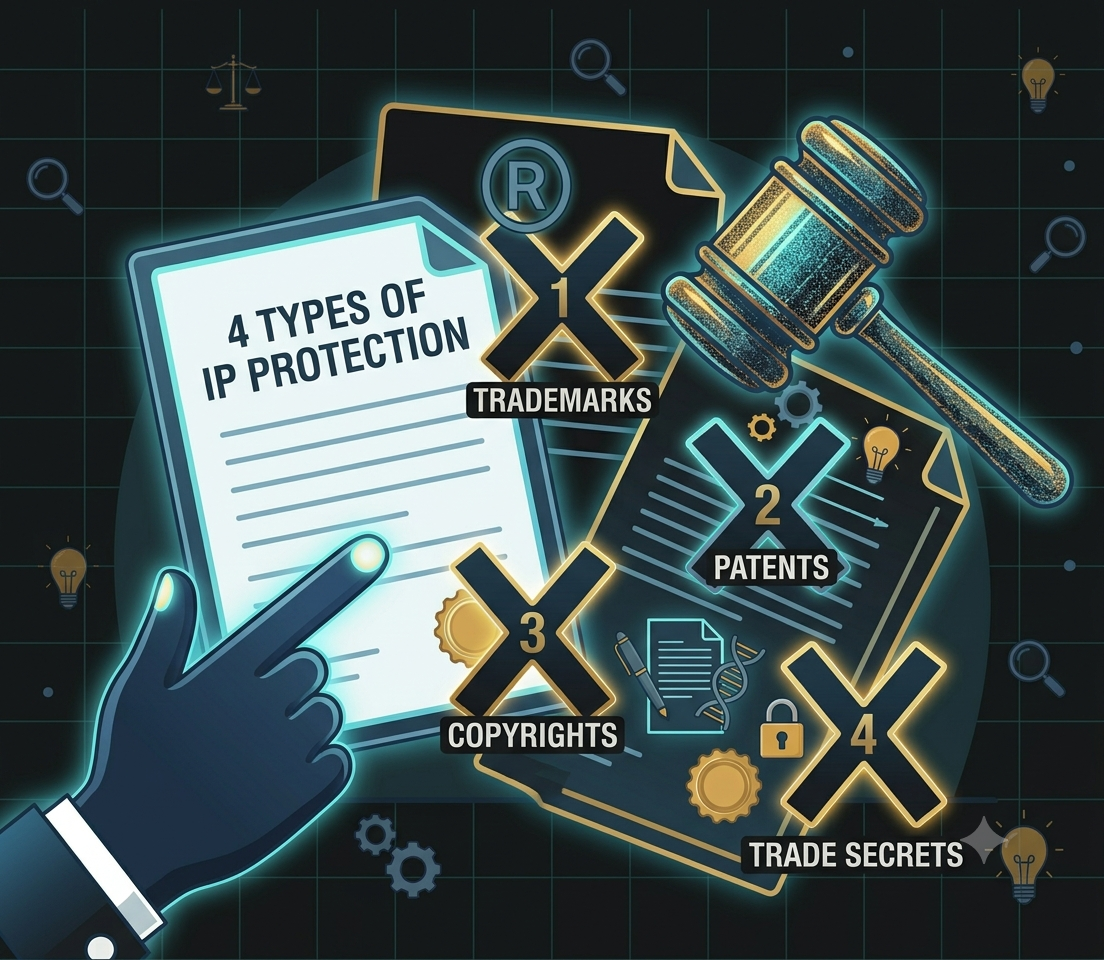
Because copyright does not guard the mechanical preparation of food, successful food enterprises use alternative branches of recipe intellectual property to protect their commercial value.
Trade secret law provides the strongest legal protection for commercially valuable recipes. The formulas for Coca-Cola syrup, Chartreuse liqueur, and commercial spice blends have been secured for generations through trade secrecy. Unlike patents, trade secrets can endure indefinitely, provided the business takes reasonable administrative, physical, and digital steps to keep the formula confidential.
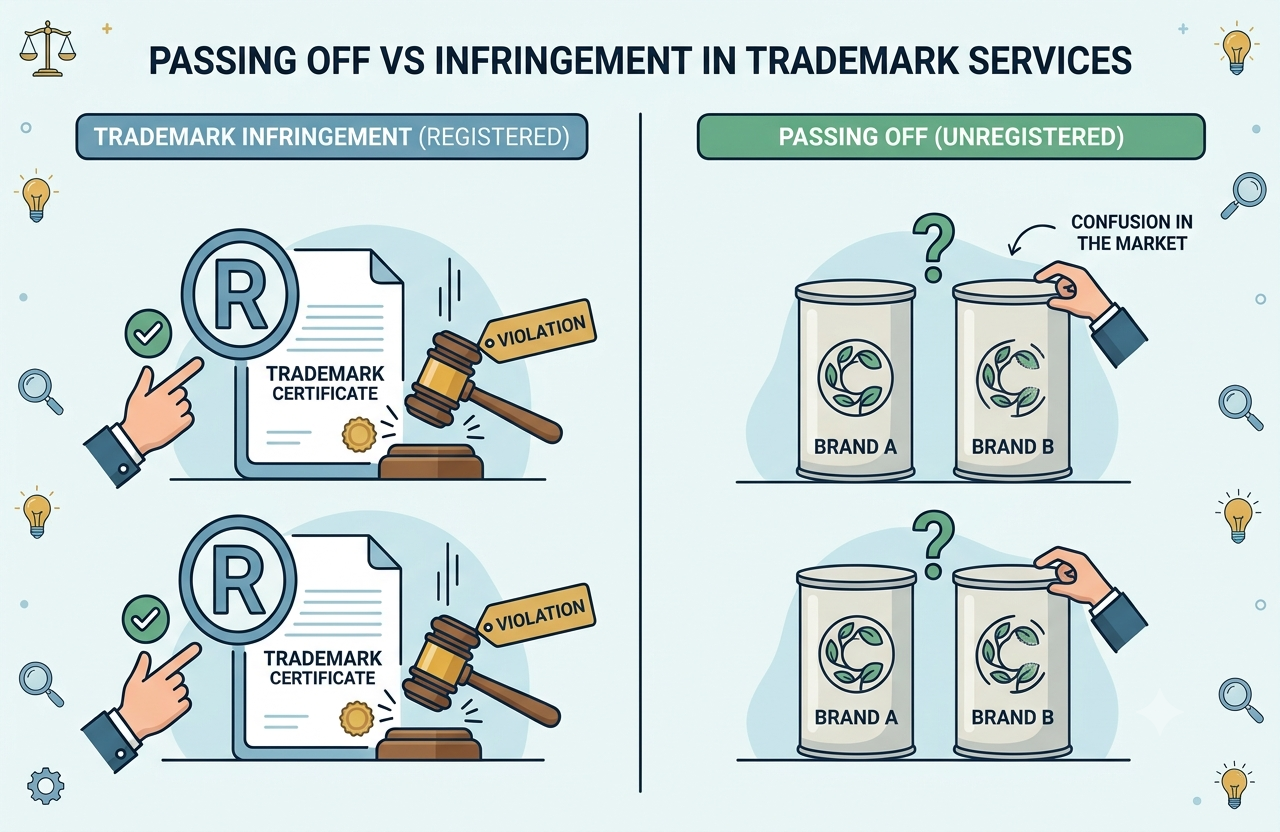
While you cannot trademark a culinary formula, you can trademark the commercial name of the dish, your restaurant name, logos, and product packaging. For example, anyone can legally bake a croissant-doughnut hybrid, but only Dominique Ansel Bakery owns the registered trademark for the name "Cronut."
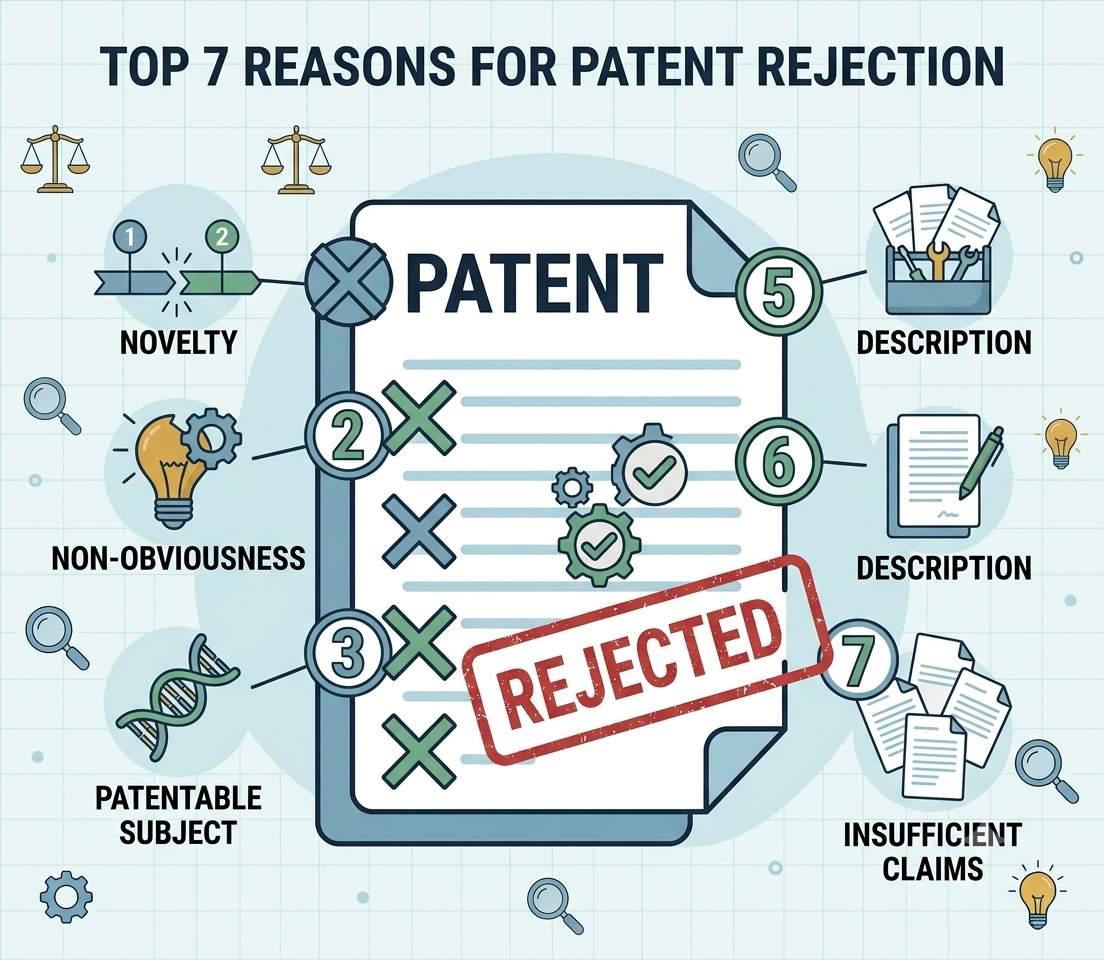
Utility patents for food are rare because they require demonstrating that a food item or preparation method is completely novel, non-obvious, and industrially useful. While typical home or restaurant recipes fail this threshold, industrial food technology firms frequently patent novel manufacturing processes, fermentation techniques, or shelf-life stabilization methods.
Hospitality groups and commercial kitchens protect their signature formulas through enforceable contracts. Non-disclosure agreements (NDAs) and employment confidentiality clauses legally bind head chefs, line cooks, and operational partners from taking proprietary recipes to competitors or launching copycat ventures.
Real-World Cases and Precedents
Judicial rulings consistently separate mechanical directions from creative authorship:
- Publications International, Ltd. v. Meredith Corp. (1996): In this foundational case, the Seventh Circuit Court of Appeals ruled that basic ingredient lists and functional cooking instructions lack the original expression required for copyright protection.
- Barbour v. Head (2001): A federal court ruled that when recipes were accompanied by personal commentary and historical musings, copying that narrative text constituted copyright infringement, confirming that surrounding literary expression is defensible.
- Tomaydo-Tomahhdo, LLC v. Vozary (2017): An Ohio court examined a dispute where departing staff took proprietary recipes to a competitor. The court analyzed the issue under trade secret misappropriation rather than copyright, highlighting that internal security measures are the true legal shield for food formulas.
Artificial Intelligence and Recipe Copyright
The rise of generative artificial intelligence has introduced new legal complexities for recipe creators:
- AI-Generated Recipes: Under current legal standards worldwide, AI-generated content lacking human creative input cannot obtain copyright protection.
- Content Scraping: If an AI model is trained by scraping your original food photography or creative narrative text without authorization, this can constitute copyright infringement.
- Automated Rewriting: Using AI to rewrite a creator's headnotes and personal narrative into new words may bypass literal copyright infringement, but using scraped databases to replicate commercial menus wholesale creates significant unfair competition and trade secret risks.
How to Protect a Recipe Legally
For culinary businesses and creators evaluating how to protect a recipe, implementing this multi-layered intellectual property checklist ensures maximum legal security:
- Write substantial narrative introductions, culinary tips, and pairing notes for every published recipe.
- Produce original, high-resolution photography and video assets for every signature dish.
- Restrict commercial kitchen access to proprietary formulas, using pre-mixed spice blends or dividing preparation stages among staff.
- Require all employees, co-packers, suppliers, and consultants to sign comprehensive non-disclosure agreements.
- Register trademarks for your brand name, distinctive dish titles, and commercial packaging designs.
- Register the copyright of your completed cookbooks, websites, and promotional video series with your relevant national IP authority.