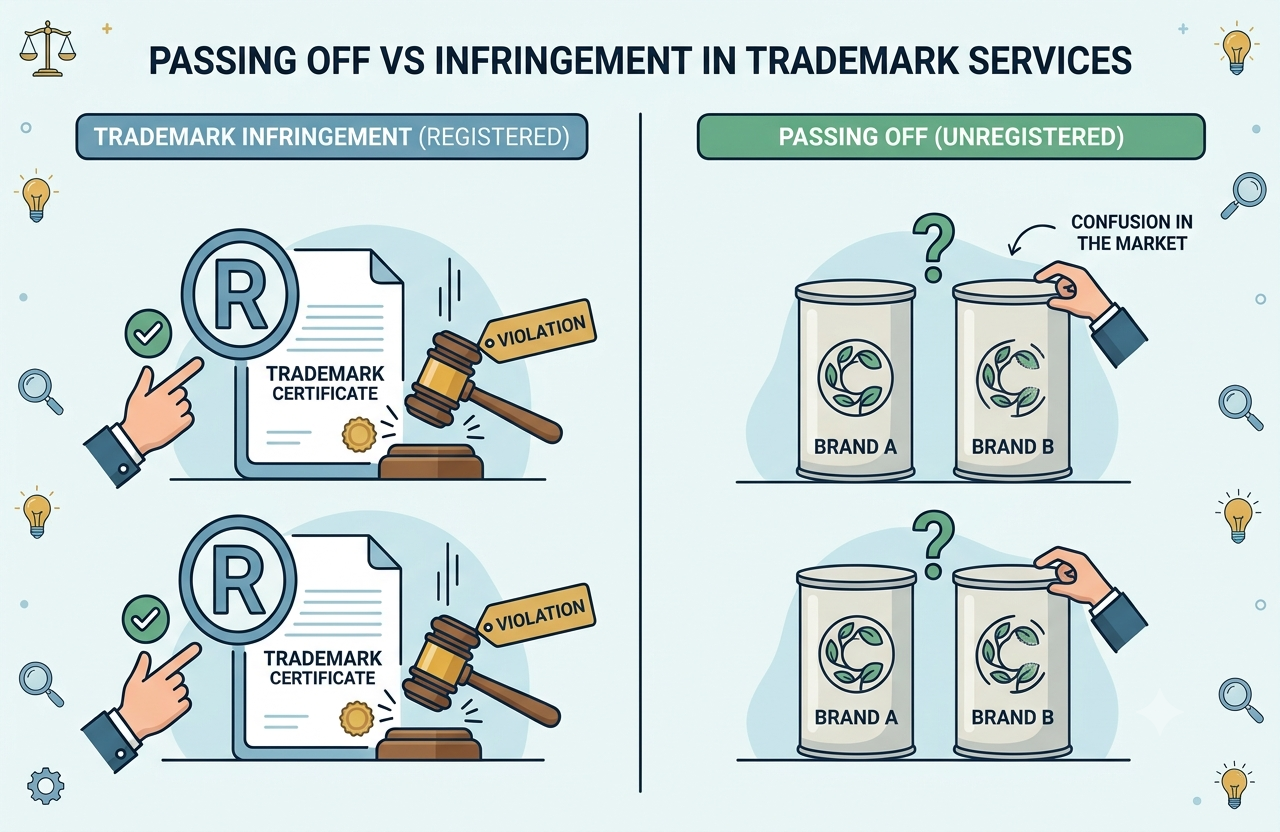
What’s the Difference Between Common Law and Registered Trademark Protection?
Understanding the difference between common law and registered trademark rights is vital for securing and enforcing your intellectual property (IP). This guide to common law vs registered trademark protection covers the key legal distinctions, practical pros and cons, and actionable strategies to safeguard your brand.
Whether you’re a business owner, startup, or digital marketer, learning the pros and cons of common law trademark vs federal trademark registration will help you protect your brand, avoid trademark disputes, and plan national or local business growth.
Common Law Trademark Rights: Pros, Cons, and Local Legal Protection
What Is a Common Law Trademark?
A common law trademark offers automatic brand protection the moment you start using a name, logo, or symbol in business—even if you skip the formal trademark registration process. Your rights arise under the “first use in commerce” rule, without filing or government fees. Common law trademark protection is especially useful for local businesses or new ventures operating in a specific region.
Common Law Trademark Rights: Local Protection & TM Symbol
- No trademark filing fees
- Rights start automatically with use
- Limited to local or regional markets—no nationwide coverage
- You can use the “TM” symbol, but your trademark won’t show up in federal databases
- Legal protection in court, but you must prove first use and consumer recognition
Pros of Common Law Trademark Protection
- No application or attorney fees
- Instant protection within your business area
- Practical for startups, local stores, and early-stage brands
- Simple way to claim rights if you don’t plan to expand nationally
Cons: Common Law Trademark Disadvantages
- No national recognition: Other companies can register your mark federally and override your prior local use
- Difficult to enforce: You bear the burden of proof in court and need extensive evidence of use
- Limited legal remedies compared to registered trademark protection
- No federal statutory damages or attorney’s fees in most cases
The Benefits and Disadvantages of Registered Trademark Protection
What Is a Registered Trademark?
A registered trademark is created and recognized when you file an application with the national trademark office (like the USPTO) and receive approval. Registered trademark protection offers nationwide exclusivity and greater legal rights, a key difference vs common law trademarks.
Benefits of Registered Trademark Protection
- Nationwide protection across all markets
- Right to use the ® symbol (registered trademark)
- Public database listings: easier to search and avoid conflicts
- Stronger legal rights: presumption of ownership in disputes
- Access to federal courts, statutory damages, and potential attorney’s fees
- Enhanced ability to license, franchise, or sell your brand for business growth
Cons: Registered Trademark Disadvantages
- Registration and renewal fees
- Applications can take months or longer
- Legal complexity if objections or challenges arise
- Ongoing compliance (filings and renewals) required to maintain protection
When to Register a Trademark vs Rely on Common Law Rights
When to Rely on Common Law Trademark Rights
- Your business only operates in a single city or small region
- You’re testing your market, just starting out, or on a tight budget
- You don’t plan to expand outside your area or online
When to Register a Trademark for Maximum Protection
- You plan to grow nationally or sell online
- Your brand is critical to trust, reputation, or high-value IP strategy
- You plan to license, franchise, or sell your trademark
- You want to deter copycats and simplify enforcement anywhere in the country
How to Build a Winning Trademark Strategy for Your Business
Your brand is your reputation and most valuable business asset. Choosing between common law protection vs registered trademark registration impacts your legal rights, enforcement power, and growth potential. Whether you’re a startup exploring common law trademark rights or ready for federal trademark registration, our IP team can guide you through every step. Contact Abou Naja Intellectual Property to develop your trademark strategy and secure the perfect level of protection for your business. Reach us at [email protected].