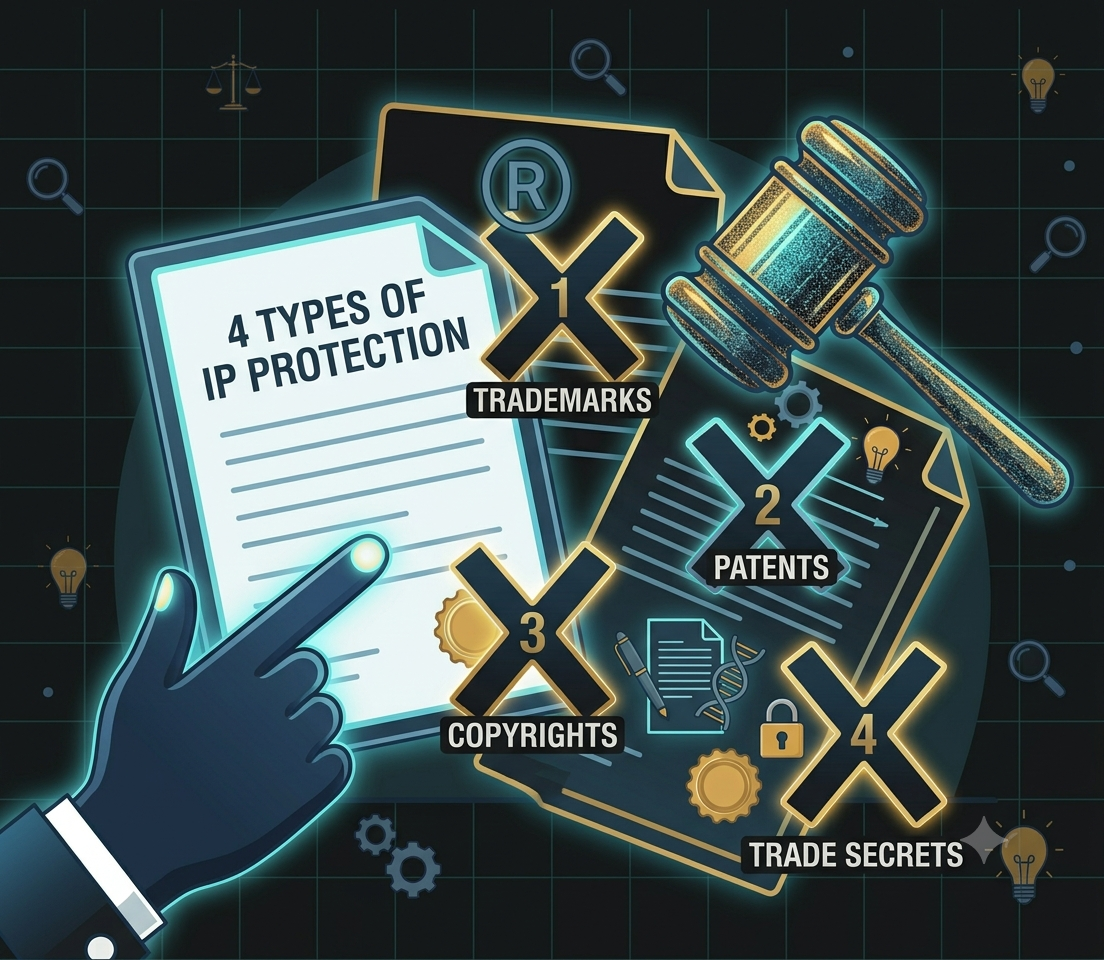
Managing IP threats in supply chains requires a structured and proactive approach that integrates legal, operational, and technological safeguards. As businesses expand across global markets, intellectual property becomes increasingly exposed to third-party risks, making it essential to embed IP protection at every stage of the supply chain.
A strong foundation begins with identifying and mapping all IP assets through a comprehensive audit. This allows businesses to understand where vulnerabilities exist and how their intellectual property interacts with suppliers, vendors, and digital partners. Once identified, companies must establish strict supplier vetting processes to assess credibility, compliance standards, and historical risk factors.
Contracts play a central role in IP protection. Clearly defined ownership rights, confidentiality clauses, and enforcement mechanisms help mitigate misuse and provide legal recourse in case of infringement. Alongside this, businesses must prioritise trade secret protection through restricted access, internal controls, and employee awareness.
Registering IP rights across relevant jurisdictions is equally critical, as protection is territorial and varies by region. Continuous monitoring of markets, including online platforms and distribution channels, ensures early detection of counterfeiting or unauthorised use.
Ultimately, businesses that integrate IP risk management into their supply chain strategy are better positioned to prevent losses, maintain brand integrity, and sustain long-term growth.