Can an Algorithm Be Copyrighted? Understanding Legal Protections for Software and Algorithms
Algorithms are the most important element of modern technology. You can feel its power in a wide range of fields such as search engines, social media platforms, medical diagnostics, autonomous vehicles and many others. Considering its immense value in our society, we need to understand how to protect algorithms.
This leads us to one pertinent question: can an algorithm be copyrighted?
An answer to this question depends upon several factors such as what is the nature of an algorithm, what is the scope of copyright protection, who owns an algorithm, what various intellectual property laws say about protecting an algorithm etc.
This blog explores some of these questions and will offer valuable insights into the copyright protection of algorithms. You will also learn if alternatives exist for algorithm copyrights.
What Is an Algorithm and Why Algorithm Copyright Protection Matters
An algorithm is a finite, step-by-step logical procedure to solve a problem or perform a task. When applied to computer science, an algorithm is defined as a set of mathematical commands or processes designed to solve a problem using a finite sequence of steps.
An algorithm is the most important element of any computer program that drives a wide range of systems and applications, including navigation systems, search engines, music streaming platforms, etc. Algorithms are written in programming languages to make the computers understand the commands.
Algorithms vs. Software Programs: Key Differences in Intellectual Property Rights
An algorithm is an abstract concept, and the instructions it sets out are practically implemented as software using a programming language.
An algorithm can be expressed in a natural language like English and executed by a person. On the other hand, software programs can only be written in programming languages like Python and executed only by a computer.
For example, you must perform the task of sorting data alphabetically using a computer system. This idea is called an algorithm and writing programs in Python or Java to sort names alphabetically is called software.
This distinction pertains to the intellectual property protection of algorithms.
Why Algorithm Copyright Protection and Other IP Rights Are Crucial for Businesses
In today’s digitalized economy, businesses consider algorithms as assets that need to be protected.
Business, particularly startups, widely employ algorithms and maintain exclusive control over them. The current Artificial Intelligence (AI) boom also catapulted the importance of algorithms. Algorithms, especially AI algorithms provide a competitive advantage to companies.
Due to the exclusivity maintained by companies over algorithms, users are forced to turn to the originating company if they need any updates or assistance. In order to maintain this exclusivity, companies seek intellectual property protection for algorithms. They need to determine what type of intellectual property offers the best protection for their algorithms.
Risks Faced by Algorithms Without Proper Intellectual Property Protection
The creators of algorithms seek intellectual property protection to avoid several risks such as:
- Reverse Engineering: Competitors are able to analyse the software and reproduce identical algorithms
- Similar Implementations: Programmers across the world can write similar code for the same algorithm.
- Open Source Ecosystem: Since many algorithms are openly shared under licenses that permit reuse, it raises challenges of infringement.
Copyright Laws Explained: What They Protect and Their Limits for Algorithms
Copyrights offer protection for "original works of authorship" such as
- Literary works (books, scripts)
- Artistic works (paintings, music)
- Software code
Requirements for Copyright
There are mainly three mandatory requirements for copyright protection:
- Work of authorship
The item to be protected must be a work of authorship such as literary or textual works, software programs, sound recordings, songs, films, TV Shows, paintings etc. - Originality Requirement
The work should be original and sufficiently creative. Any independently created work becomes eligible for copyright protection if it is not copied from a previous work and is adequately creative. - Fixation Requirement
The work needs to be recorded or fixed in a tangible medium to obtain copyright protection.
What cannot be copyrighted?
Copyright laws generally do not offer protection for ideas, processes, or methods of operation. This limitation poses serious challenges for algorithm copyrights.
Can You Copyright an Algorithm? Legal Limitations and Workarounds
An algorithm is an abstract idea. This means copyright laws cannot protect algorithms at present. Even though algorithms cannot be copyrighted, their specific implementations such as software can be copyrighted.
What Parts of an Algorithm Can Be Copyrighted? (Source Code, Documentation, and More)
Copyright protection is not possible for ideas, methods or processes. However, you can copyright the tangible expression of an idea. The following aspects of an algorithm can be protected even though an algorithm itself cannot be copyrighted:
Source code: This is the written programming code that implements the algorithm.
Documentation: You can copyright any manuals, flowcharts, and other explanatory resources related to an algorithm.
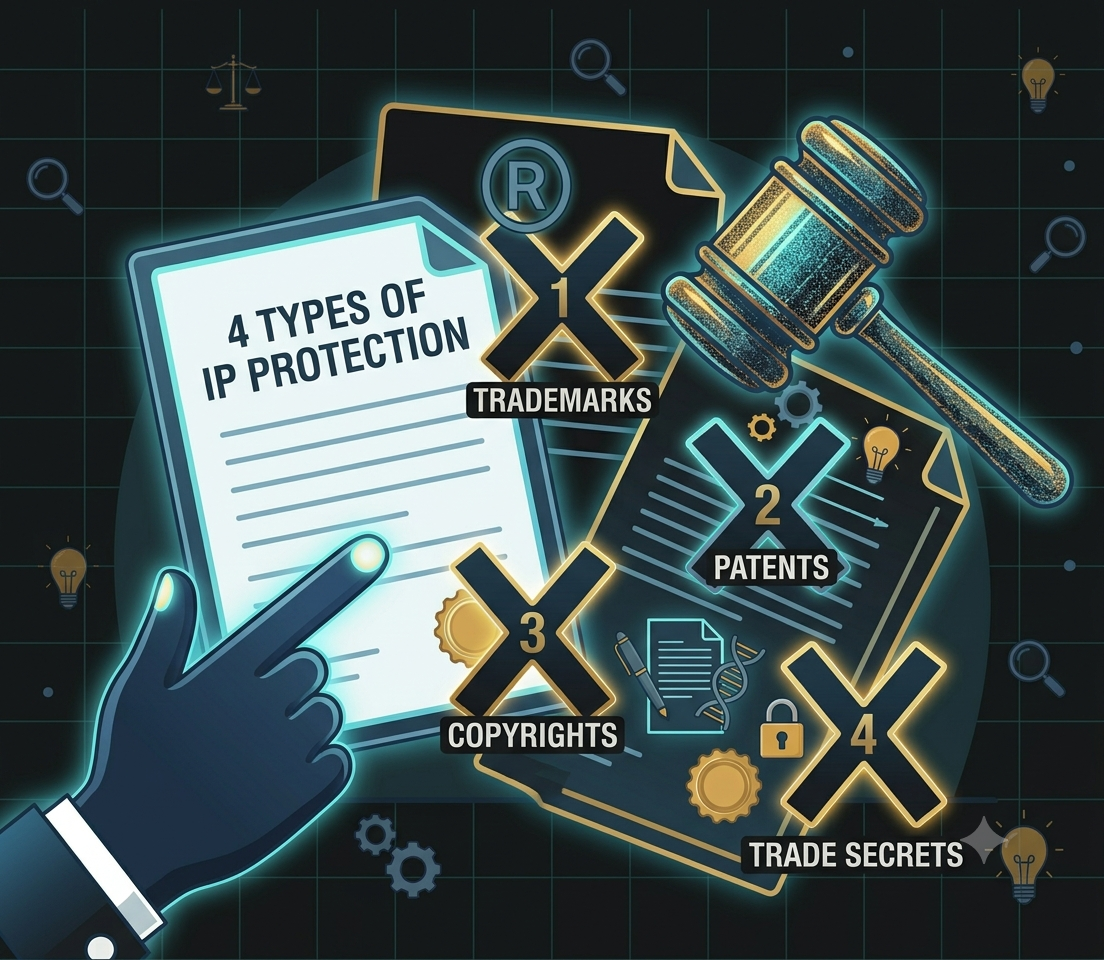
Algorithm Patent Protection, Trade Secrets, and Other Legal Alternatives
Creators of algorithms have limited options to safeguard their algorithms from infringement. Let us analyse if other forms of intellectual property offer any solace for them:
- Patent Protection for Algorithms
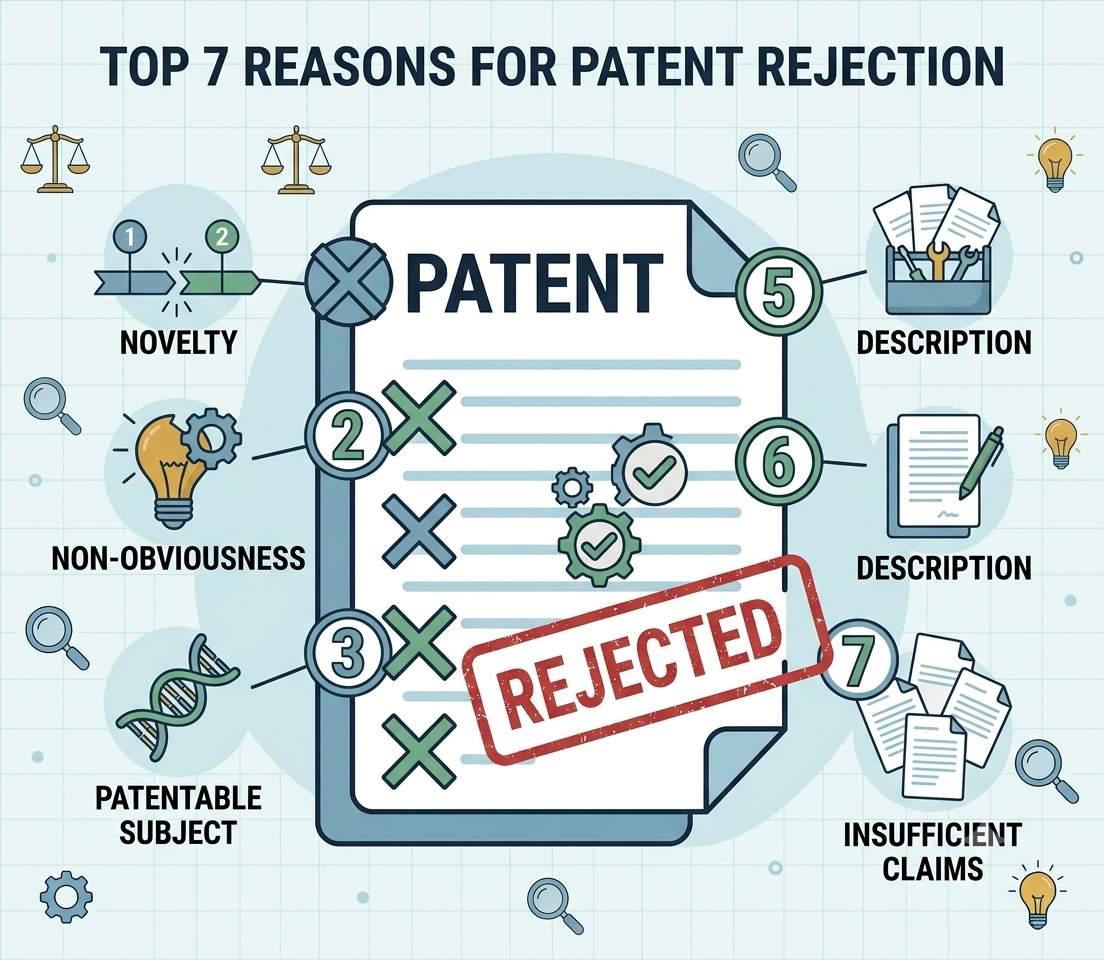
Patents protect inventions that are novel, non-obvious and industrially applicable. It can include processes, machines and technical methods. If the algorithm conforms to these requirements, you can seek patent protection for algorithms.
However, there are some challenges such as the public disclosure requirement.
- Trade Secret Protection
Businesses protect their confidential information using trade secrets. For example, Coca-Cola protects the recipe of their carbonated drink using trade secrets.
Many companies are protecting their algorithms using trade secrets. Google protects its search algorithm as a trade secret. However, the legal protection is not as robust as offered by patents or copyrights.
The Future of Algorithm Intellectual Property Rights in the Age of AI
With the advent of AI, intellectual property rights related to algorithms have become a pertinent concern. Governments can no longer turn a blind eye towards accommodating AI, algorithms and other similar technologies in intellectual property regulations.
Let’s analyse what needs to be done and the associated challenges that may keep the intellectual property community busy in the future:
Legislative Reforms
New Intellectual Property regulations must be implemented to protect algorithms or AI works.
AI and Copyright
AI systems can create algorithms. This may create a problem in the future regarding their ownership. Laws must address the ownership and protection of AI copyrights or algorithm copyrights.
Uniformity of Regulations
Differences in intellectual property laws may create challenges for algorithm creators. They may demand an international protection regime that standardizes the protection of algorithms and AI works.
Glean More Insights from Abou Naja Intellectual Property
Our intellectual property laws are not accommodative for algorithms or AI algorithms. However, governments can no longer ignore this issue as the growth of AI has made algorithms more relevant to all sectors.
Abou Naja Intellectual Property can keep you updated on the latest developments in protecting algorithms and AI algorithms through copyrights or patents. We have 50-plus years of experience providing robust intellectual property services across the world. Learn more about intellectual property protection, by contacting us at [email protected] .