Copyright for Human Faces? Denmark’s Bold Move Against Deepfakes
US President Donald Trump was heavily censured in July 2025 when he shared a deepfake video that appeared to show former President Barack Obama being arrested by the Police. Trump’s act highlights the threat posed by Artificial Intelligence (AI), but validates the Danish Government’s proposed move to allow individuals to copyright their face, voice, etc.
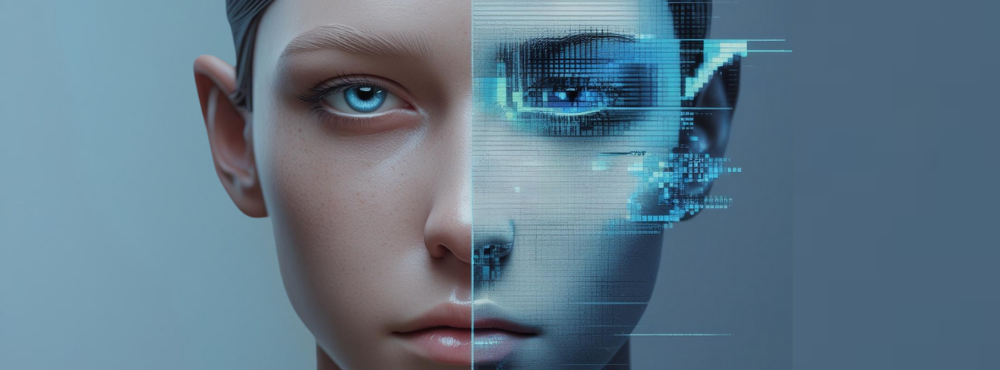
The rapid spread of AI-generated deepfakes—ranging from altered celebrity videos to fabricated voice recordings—has intensified global calls for stronger legal safeguards. Denmark has responded with groundbreaking deepfake legislation that amends its Copyright Act to protect a person’s digital likeness, including their face, voice, and other personal characteristics, as valuable intellectual property. This approach positions Denmark among the first countries to explicitly recognize digital identity IP protection as a core defense against the misuse of generative AI.
This blog analyses the notable provisions in the proposed bill and how the amended IP frameworks can protect the personal identity of individuals from unauthorised digital replication and exploitation:
Denmark’s 2025 Deepfake Legislation: Strengthening Digital Identity and Copyright Rights
At a time when the world stands clueless about protecting people from the deepfake menace, Denmark announced a proposal to amend its Copyright Act on June 26, 2025.
The proposed changes prohibit illegal sharing of realistic, digitally created imitations of personal characteristics (appearance, voice, etc.).
The bill offers two types of protection by amending sections 65-a and 73-a of the current Danish Copyright Act:
- Protection for Performing Artists (Section 65-a): Performing artists can claim copyright protection from unauthorised sharing of realistic, digitally created imitations of their artistic performances
- General Protection against Deepfakes (Section 73-a): Any individual can seek IP protection against the unauthorised sharing of realistic, digitally generated imitations of their physical characteristics (face, voice, etc).
If passed, the new copyright law will allow the country’s citizens to claim copyright infringement over unauthorised sharing of their AI-generated images, audio recordings or videos.
How Denmark’s Deepfake Law Protects Against AI-Generated Image and Voice Misuse
Denmark plans to extend IP protection to personal characteristics by expanding the scope of its copyright framework. The proposed copyright amendment bill provides protection against AI-generated imitations in the following ways:
- The proposed law may treat an individual’s likeness as a protected work under the Danish Copyright Act.
- All individuals will be able to send takedown notices, demand damages, or start infringement proceedings against the perpetrators of fake AI videos/images/sound recordings.
- The proposed changes offer protection not only the Danish nationals but also to individuals whose likeness has been misused within Denmark’s jurisdiction
Duration of Copyright and Digital Identity Protection Under the New Law
The validity of copyright protection under the proposed Danish Copyright Amendment Bill is:
- Protection for Performing Artists: The lifetime of the artist plus 50 years from the death of the performing artist
- Protection for Individuals’ Physical Characteristics: The lifetime of the individual whose deepfake has been shared without consent, plus 50 years from the year of death of the person.
Fair Use and Exceptions in Denmark’s Deepfake Legislation
The Fair Use Doctrine is a key tenet included by most jurisdictions in their copyright legislation. Fair Use constitutes limited use (for specific purposes) of a copyrighted material that doesn't require the copyright holder’s consent.
The proposed amendments offer exemptions for deepfakes generated for the following types of use:
- Parody
- Caricature or pastiche
- Other forms of social criticism
Challenges Facing Denmark’s AI and Digital Identity Protection Bill
Though the new proposed bill is a bold move against the risks of Generative AI creations, Denmark needs to address certain challenges as well:
- Jurisdictional Limitation: The proposed law will be valid within Denmark only. Takedowns will be impossible when deepfake videos, images or recordings are shared outside Denmark. Since most AI creations are shared on the internet, they can still be accessed from outside Denmark.
- Burden of Proof on Victims: Victims of deepfake manipulation must detect the fake videos early and prove that it’s an AI manipulation of their faces. They will also have to bear the legal costs of copyright infringement actions.
- Overlap with Existing Laws: The government needs to clarify how the proposed IP-based law will harmonise with Europe’s existing privacy laws, such as the General Data Protection Regulation (GDPR) and Digital Services Act (DSA).
Why Denmark’s Deepfake Legislation Sets a Global IP Protection Benchmark
When other countries relied upon privacy regulations, Denmark found the antidote to deepfakes in IP laws. As one of the most experienced IP firms in the Middle East, Abou Naja IP considers the bill a daring step in advancing the world’s fight against malicious AI creations.
Follow our blogs for more actionable insights and valuable think pieces such as these. We offer consultation on any IP-related services, including copyright protection, trademark registration, patent filing, IP infringement, etc. Drop us an email at [email protected] to talk with an experienced IP expert.