The Baby Shark Copyright Dispute: Origins, Viral Success & Legal Issues
The Baby Shark copyright dispute stands as a fascinating case in music IP law, highlighting the challenges of protecting intellectual property in traditional songs and viral digital content. As the most famous children’s song globally, Baby Shark has sparked extensive legal battles over copyright ownership, adaptation rights, and commercial exploitation.
No other children’s song in recent history matches the viral fame—and ensuing legal issues—of Baby Shark. While the song’s roots extend back as a traditional camp tune, the Pinkfong Baby Shark copyright claim over their global hit has made headlines, fueling disputes about adaptation rights, public domain status, and IP protection in the digital age.
Is Baby Shark Public Domain or Protected? The Traditional Song Copyright Battle
The Baby Shark public domain origins are widely acknowledged, with the melody and lyrics long existing in oral tradition as a folk or campfire song. Various artists, bands, and companies have created their own Baby Shark adaptations, leading to derivative work copyright issues.
With the rise of YouTube and social media in the early 2000s, Baby Shark became a viral hit, especially after Pinkfong’s adaptation launched in 2015. The Pinkfong Baby Shark copyright claim stems from their unique video, dance, and music arrangement—all of which turned the children’s song into a global phenomenon and sparked one of the music industry’s highest-profile copyright disputes.
Pinkfong Baby Shark Adaptation & Copyright Ownership
By 2018, Baby Shark was not just a viral trend but a commercial juggernaut. Pinkfong’s version led to worldwide merchandise, toys, live shows, and licensing deals, introducing significant revenue and IP rights considerations. The Baby Shark copyright dispute focused on whether Pinkfong could claim ownership over an adaptation of a song so deeply entrenched in the public domain.
Derivative Works, Infringement, and Licensing in the Baby Shark IP Case
The core of the Baby Shark copyright fight lies in two issues: the boundaries of public domain vs. adaptation law and the legitimacy of competing copyright claims over various Baby Shark versions.
While the fundamental melody and lyrics are public domain, Pinkfong’s Baby Shark adaptation secured copyright protection for its specific arrangement, choreography, and video. Competing claims, such as the Kleiner Hai version and other similar adaptations, have escalated the Baby Shark IP case into a global copyright and trademark battle.
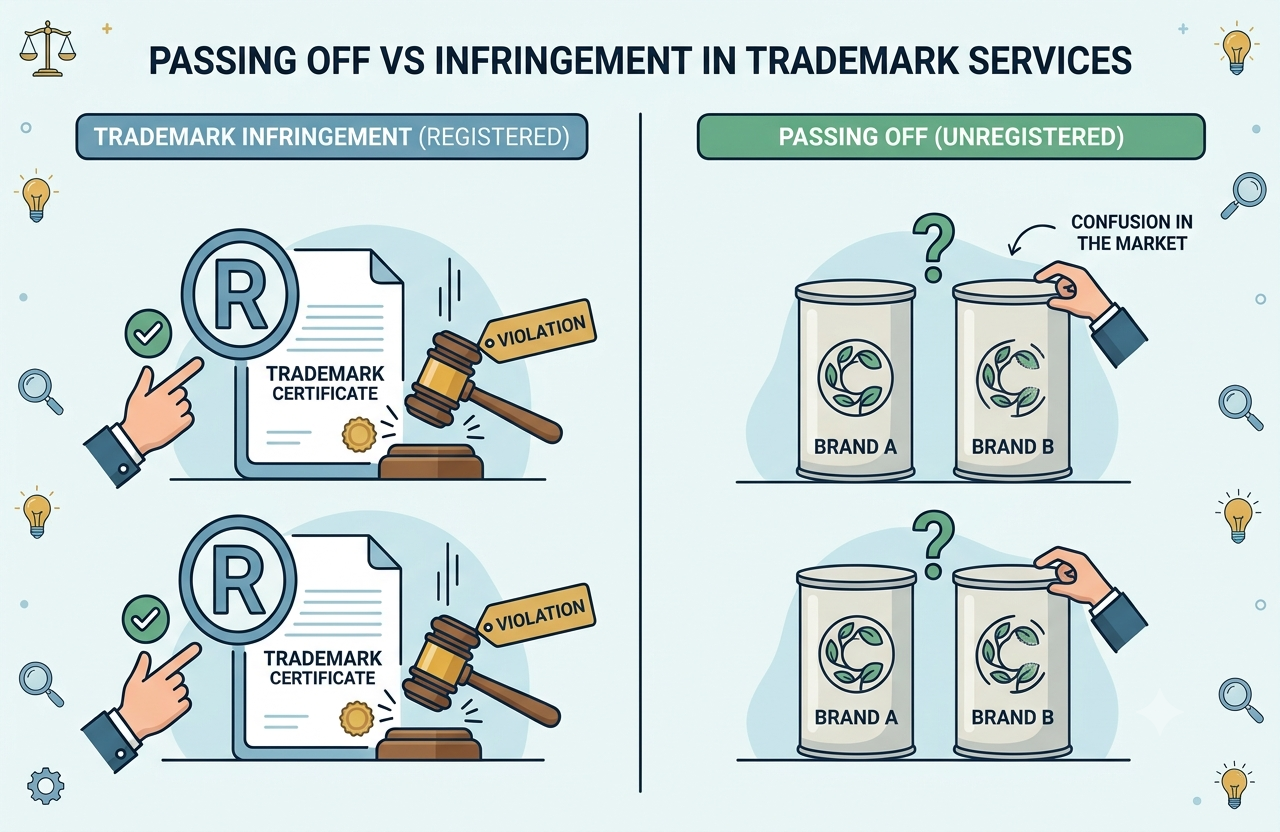
The Baby Shark legal case includes court battles in Germany (Pinkfong vs. Kleiner Hai), US takedown actions against YouTube users, and numerous licensing lawsuits. Courts generally recognized Pinkfong’s derivative work copyright in their particular arrangement, choreography, and video, while affirming that the basic tune and idea remain in the public domain. Trademark disputes and copyright infringement allegations have followed Baby Shark’s commercial expansion globally.
Key IP Lessons from the Baby Shark Copyright Fight
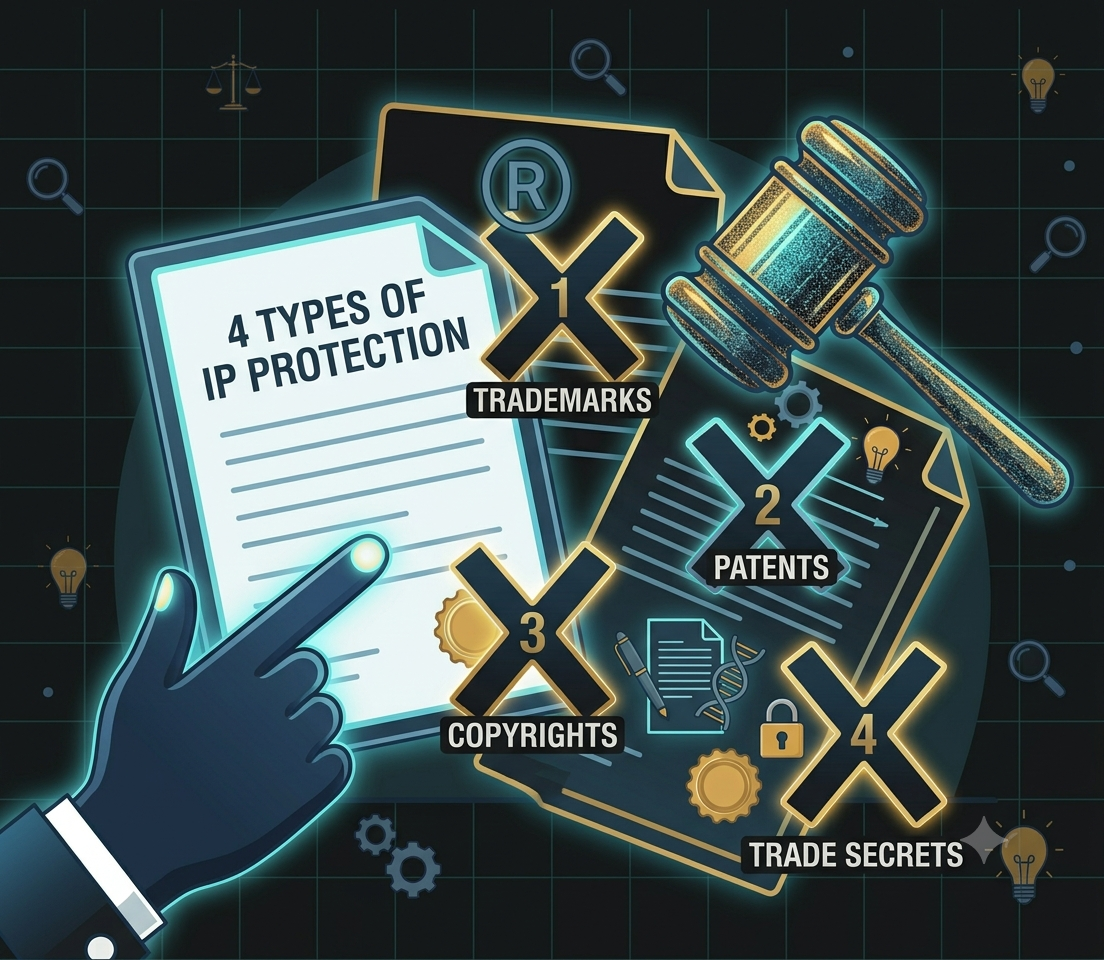
The Baby Shark copyright dispute offers crucial copyright protection for adaptations lessons to creators and business owners:
- Traditional works in the public domain invite many competing versions and derivative claims.
- Unique musical arrangements, choreography, and recordings can be protected under copyright even if the base work is not.
- IP enforcement: Only specific versions are copyrightable—other parties can still create fresh Baby Shark adaptations.
- Commercially viral songs can bring licensing, copyright infringement, and trademark battles that require clear IP strategy.
Takeaways for Creators and Businesses
- Register early if your adaptation is original.
- Research what aspects of a song or work are public domain vs. copyrightable.
- Secure proper licensing before commercial exploitation of viral or traditional works.
- Recognize that viral success increases the risk of derivative work copyright and trademark disputes.
Conclusion
While Baby Shark’s viral fame made it a global sensation, the ongoing Baby Shark copyright dispute shines a spotlight on the challenges of protecting and exploiting traditional and viral content in today’s IP landscape. As these copyright battles continue, creators, brands, and legal teams worldwide can learn valuable copyright strategies for managing adaptation, public domain, and licensing issues. For guidance or support in protecting your creative IP, contact Abou Naja Intellectual Property at [email protected].