Developer reviewing source code on screen illustrating how to protect software and algorithms
Intellectual Property

How to Protect Software and Algorithms: A Complete Guide for Tech Companies

发布于 Feb 13, 2026
更新于 Feb 13, 2026
4 分钟阅读

Software and algorithms are often the core assets of modern technology companies. Whether you run a SaaS platform, AI startup, fintech solution, or enterprise software company, your code and proprietary logic represent competitive advantage, valuation leverage, and long-term scalability.

But here’s the critical question:

How do you legally protect software and algorithms from copying, reverse engineering, and internal misuse?

This step-by-step guide explains how tech companies protect software and algorithms — and how you can implement a comprehensive IP protection strategy.

Why Protecting Software and Algorithms Is Critical

Software is uniquely vulnerable. Unlike physical assets, code can be copied, transferred, or misused quickly and often without detection.

Without structured protection, companies risk:

  • Competitors replicating core functionality
  • Investors questioning ownership clarity
  • Former employees misusing proprietary code
  • Weak enforcement during disputes
  • Reduced company valuation during acquisition

Strong IP protection helps you:

  • Maintain competitive advantage
  • Increase company valuation
  • Attract investors and partners
  • Enable licensing and commercialization
  • Strengthen enforcement in case of infringement

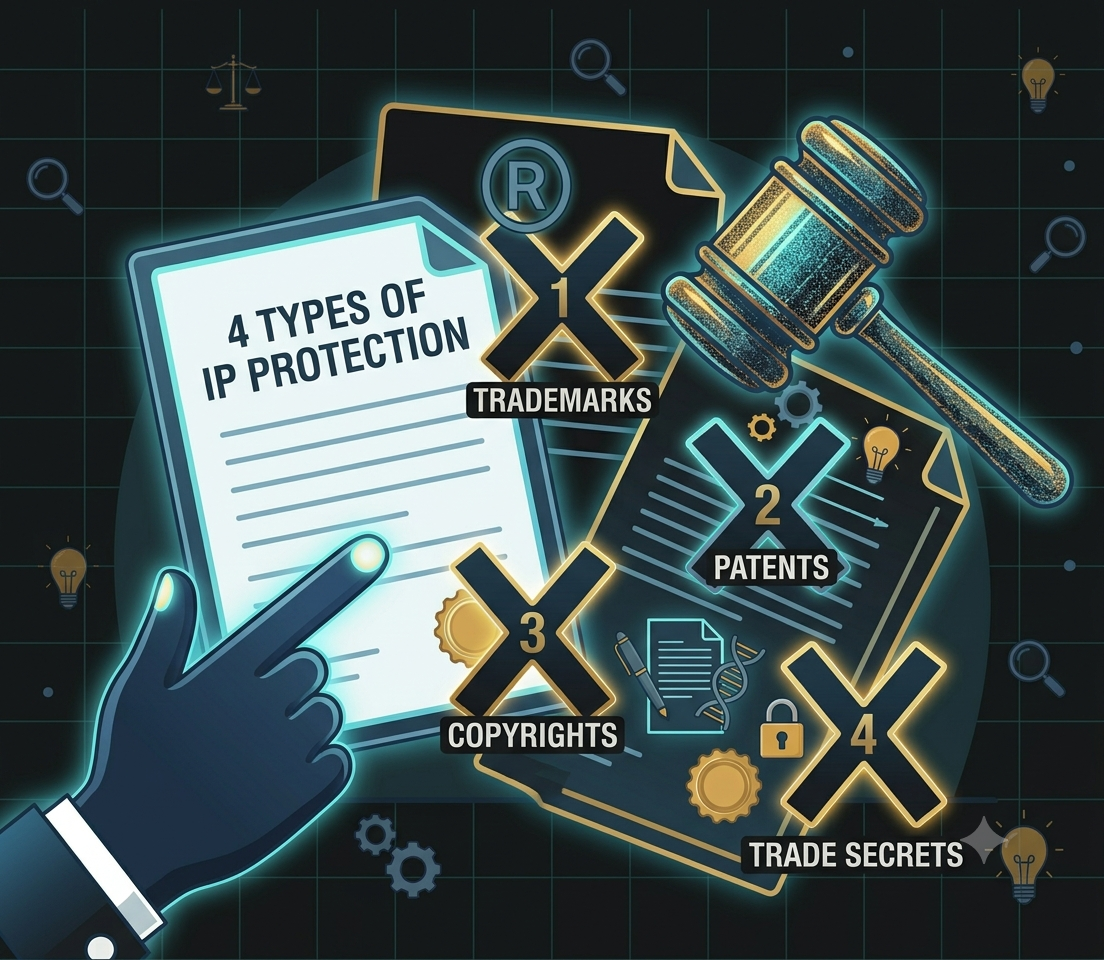
Step 1: Protect Your Software with Copyright

One of the first answers to “how to protect software” is copyright.

What Copyright Protects

  • Source code
  • Object code
  • Software architecture (as expressed in code)
  • User interface elements and documentation

What It Does Not Protect

  • Abstract ideas
  • Algorithms in theory
  • Functional logic by itself

Copyright protection arises automatically when code is created. However, formal registration significantly strengthens enforcement rights, especially in infringement litigation.

Best Practice:
Register core software modules in key jurisdictions where your company operates or plans to enforce rights.

Step 2: Protect Algorithms as Trade Secrets

Many companies choose to protect algorithms through trade secret law instead of patents.

What Can Be Protected as Trade Secrets

  • Proprietary algorithms
  • Machine learning training methods
  • Data-processing techniques
  • Backend system architecture
  • Optimization formulas

Requirements for Trade Secret Protection

To qualify, the information must:

  1. Be secret
  2. Have commercial value
  3. Be protected through reasonable confidentiality measures

This typically involves:

  • NDAs
  • Restricted repository access
  • Internal access control policies
  • Cybersecurity safeguards
  • Employee confidentiality training

If secrecy is not properly maintained, trade secret protection can be lost permanently.

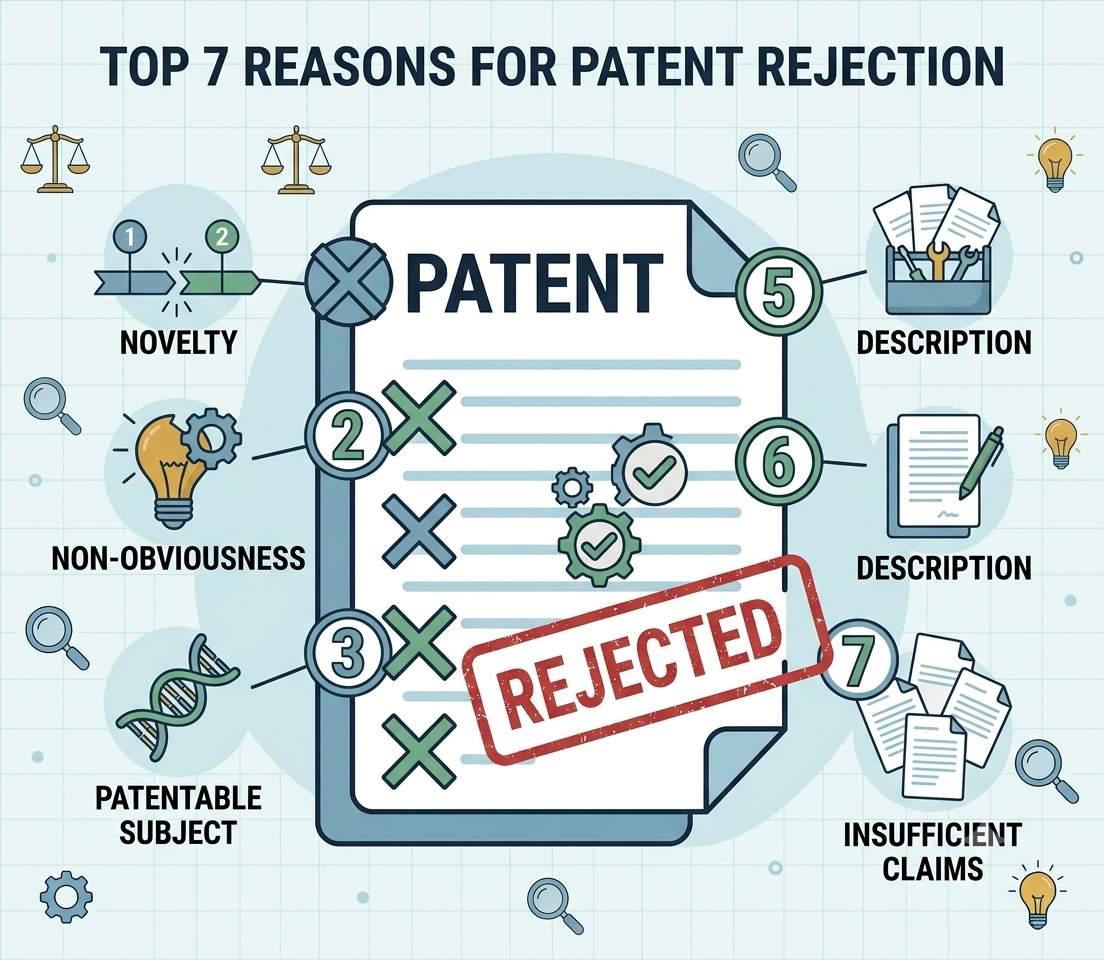
Step 3: Consider Patent Protection for Software Inventions

In certain jurisdictions, software-related inventions may be patentable if they provide a technical solution to a technical problem.

Patents May Protect

  • Novel algorithms with measurable technical effect
  • AI systems with unique training frameworks
  • Computer-implemented processes
  • Security and encryption innovations

A granted patent can provide exclusive rights for up to 20 years.

However, patent protection requires public disclosure of the invention. This makes strategic decision-making critical.

When to Consider a Patent:

  • The invention is difficult to keep secret
  • The innovation has high commercial value
  • The technology is core to market differentiation
  • You anticipate licensing opportunities

Step 4: Use Strong Contracts and Licensing Agreements

Legal agreements form a critical protection layer.

Key documents include:

  • Software License Agreements
  • End-User License Agreements (EULAs)
  • SaaS Terms of Service
  • Employment IP Assignment Agreements
  • Contractor Development Agreements
  • Non-Disclosure Agreements (NDAs)

These contracts define:

  • Ownership
  • Usage rights
  • Restrictions
  • Confidentiality obligations
  • Enforcement mechanisms

Without proper contracts, ownership disputes can arise — especially with developers and freelancers.

Step 5: Secure Employee and Contractor IP Ownership

A significant IP risk originates internally.

Best practices include:

  • Clear IP ownership clauses in employment contracts
  • Automatic assignment of developed code
  • Confidentiality provisions
  • Exit protocols to revoke access
  • Repository access audits

Ensuring that the company — not the individual — owns the code is fundamental to investor confidence and acquisition readiness.

Step 6: Manage Open-Source Risks

Open-source components can affect ownership and commercialization rights.

Some licenses require:

  • Disclosure of derivative code
  • Distribution of source code
  • Attribution obligations

Failure to comply may:

  • Undermine exclusivity
  • Create licensing disputes
  • Affect acquisition due diligence

Implement internal open-source compliance tracking.

FAQs: How to Protect Software and Algorithms

Can algorithms be protected by copyright?

Copyright protects the written source code, not the abstract mathematical method or logic.
Read this article for more information.

Is it better to patent an algorithm or keep it secret?

Patents offer strong but time-limited exclusivity and require disclosure. Trade secrets can last indefinitely but demand strict confidentiality measures. The correct choice depends on your commercial strategy.

Do startups need IP protection early?

Yes. Clear IP ownership and protection increase investor confidence and improve valuation.

Is software registration mandatory?

No, but registration strengthens enforcement and evidentiary standing.

A Strategic Approach Is Essential

There is no single method to protect software and algorithms effectively. The strongest protection strategy combines:

  • Copyright
  • Trade secrets
  • Patents (where appropriate)
  • Contracts
  • Internal governance
  • Cybersecurity

This layered approach significantly reduces legal risk and strengthens your company’s market position.

How Abou Naja Intellectual Property Can Help Protect Your Software

For technology-driven businesses in the UAE and across the MENA region, protecting software and algorithms requires strategic legal planning.

Abou Naja Intellectual Property provides:

  • Software and algorithm IP strategy development
  • Copyright registration and enforcement
  • Patentability assessments and patent filings
  • Trade secret protection frameworks
  • Drafting and reviewing NDAs, EULAs, and IP assignments
  • IP due diligence for startups, investors, and acquisitions

Whether you are building a new SaaS platform, scaling an AI company, or preparing for investment, our team ensures your innovation is legally secured and commercially positioned.

To arrange a specialized consultation, contact:
 [email protected]

分享这篇文章